
World Bank Approves $150 Million for Sindh
The World Bank has allocated $40 million specifically to improving property tax systems in these additional urban areas.

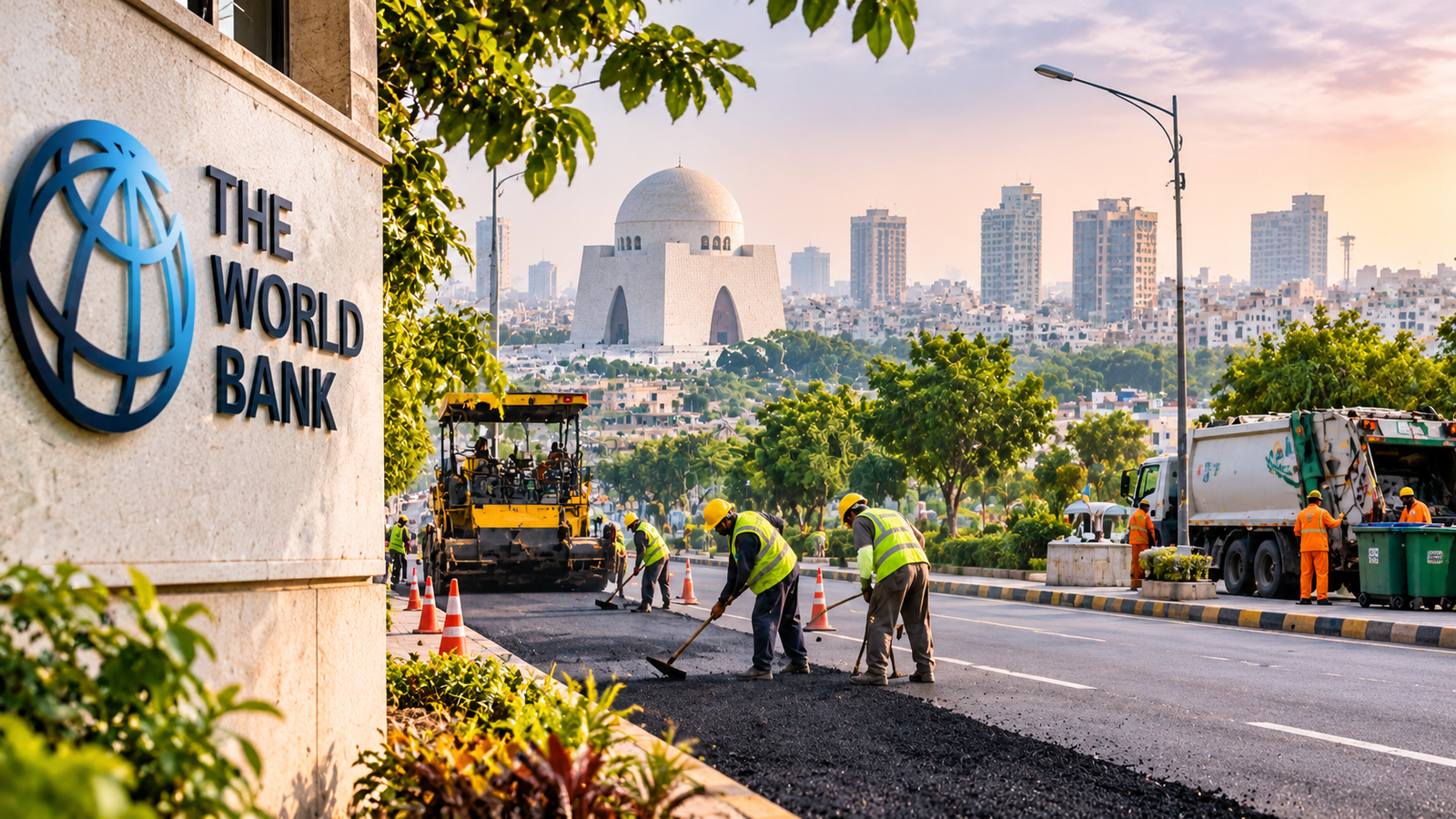
The World Bank has approved a $150 million programme to improve municipal services and strengthen property tax collection in Sindh, with a major focus on Karachi’s urban infrastructure and local government revenue generation.
According to a statement issued by the World Bank, the programme aims to increase Karachi’s annual property tax revenue from $8.5 million to $85 million, while raising the property tax payment compliance rate from 20 per cent to 50 per cent.
The initiative is expected to directly benefit approximately 3.58 million residents across 25 municipal councils in Karachi through improved public services and infrastructure development.
Under the programme, a modern digital property tax collection system will be introduced to improve efficiency, transparency and revenue mobilisation.
The World Bank said 70 per cent of the revenue generated through property taxes would be allocated to improving essential municipal services, including drainage, sewerage systems, schools, road rehabilitation, fire stations and street lighting.
The programme also aims to address the heavy financial dependence of Sindh’s local governments on provincial funding.
According to the World Bank, more than 95 per cent of the revenue available to municipal councils in Sindh currently comes from financial transfers by the provincial government, limiting their ability to generate and manage independent resources.
Beyond Karachi, the programme will support property surveys in 20 municipal councils across other cities in Sindh to strengthen property tax administration and expand the local revenue base.
These improvements are expected to indirectly benefit approximately 4.5 million people living in other urban centres of the province.
The World Bank has allocated $40 million specifically to improving property tax systems in these additional urban areas.
Under the approved framework, municipal councils will receive funding based on annual performance assessments, linking financial support to improvements in governance and service delivery.
The programme will also support the rehabilitation of climate-resilient municipal infrastructure, helping urban areas strengthen their ability to withstand the impacts of climate change.
The initiative is intended to improve financial sustainability at the local government level while expanding access to essential public services for millions of residents across Sindh.