
Trump Warns Iran to Make Deal or Face US Action; Tehran Urges Gulf States to Prevent War
President Trump said the US-Israeli war against Iran would end very soon, either through an agreement or by other means.

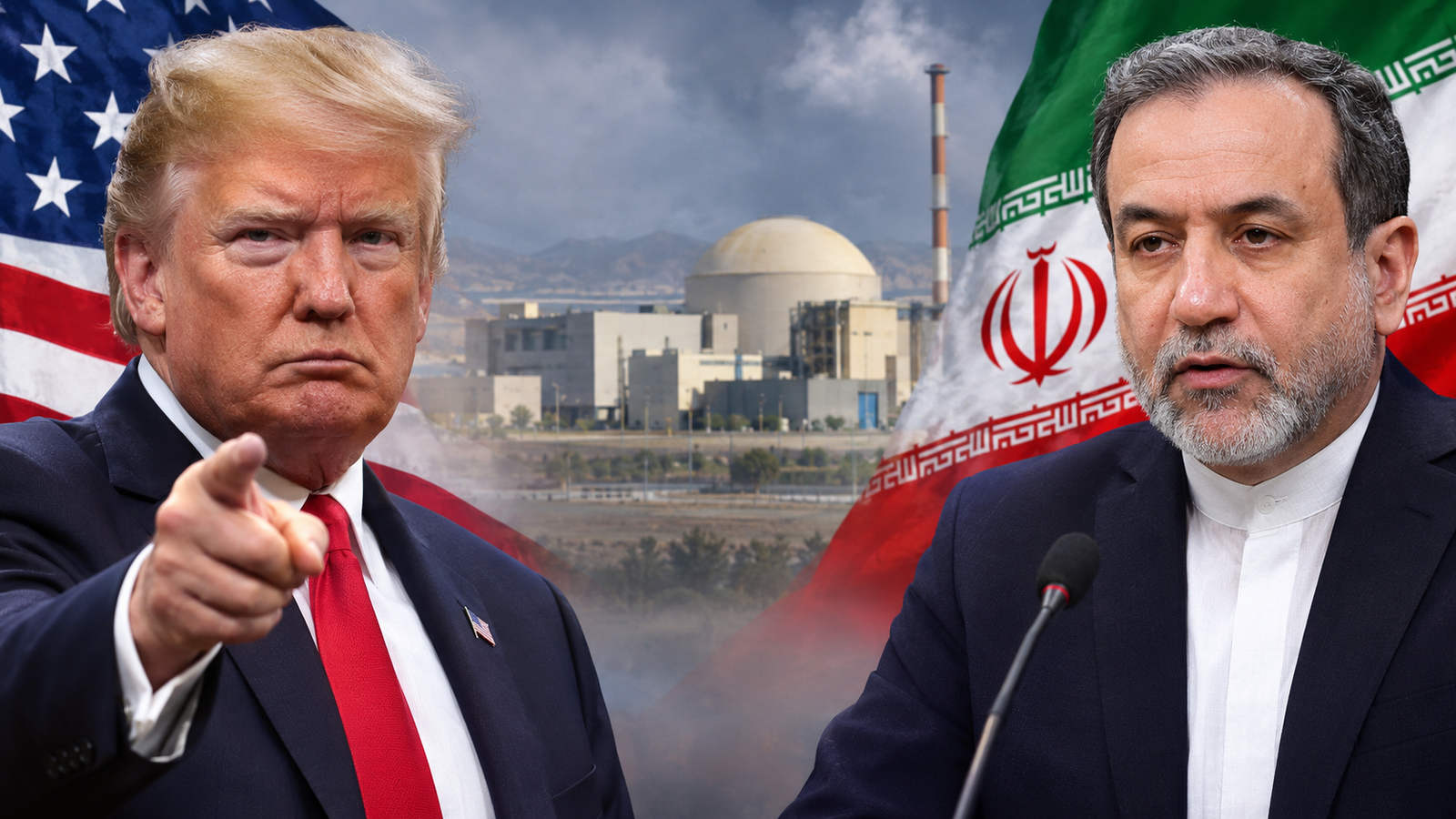
US President Donald Trump has warned Iran that it must reach an agreement with Washington or face further American action, while Iranian Foreign Minister Abbas Araghchi has urged Gulf countries to prevent another US-led war against Tehran.
The latest statements come amid continuing tensions between Washington and Tehran, with Pakistan emphasising that a permanent ceasefire is essential to overcoming the region’s energy challenges.
Trump Warns Iran of Stronger US Action
President Trump said the US-Israeli war against Iran would end very soon, either through an agreement or by other means.
“Iran must make a deal, otherwise the United States will settle the matter quickly,” Trump said, according to the reported remarks.
The US president maintained that he wanted to save lives but warned that Washington could eventually be forced to take tougher action.
“I want to try to save people’s lives, but at some point, we will have to take strong action,” he said.
His remarks signal continued pressure on Tehran to reach an agreement amid uncertainty over the future of regional security.
Iran Says It Targeted US Bases, Not Gulf Countries
Meanwhile, Iranian Foreign Minister Abbas Araghchi, in an interview with Russian television, rejected suggestions that Iran had deliberately targeted neighbouring Gulf countries.
Araghchi said Iranian military operations were directed exclusively at American military bases in the region, rather than the countries hosting them.
He maintained that Tehran had previously informed regional governments that US military installations would become targets if Iran came under American attack.
The Iranian foreign minister also rejected responsibility for Iranian missiles reportedly landing in Gulf countries.
Araghchi argued that American military bases had failed to provide security to regional states and were unable even to protect themselves.
He urged neighbouring countries not to support another American war against Iran and instead use their influence to prevent further escalation.
“Instead of encouraging war, efforts should be made to reduce tensions,” Araghchi said, expressing hope that regional countries had learned lessons from previous confrontations.
Araghchi Says Mojtaba Khamenei Remains Active as Supreme Leader
Addressing questions about Iran’s leadership, Araghchi said photographs of Supreme Leader Mojtaba Khamenei were not being released because of security concerns.
He maintained that Khamenei continued to oversee state affairs and was actively involved in decision-making.
According to Araghchi, major state decisions were presented to the Supreme Leader, who remained engaged in the country’s leadership.
The foreign minister said Iranian authorities needed to remain cautious because they were facing adversaries seeking to target senior figures.
Pakistan Calls for Permanent US-Iran Ceasefire
Separately, Pakistan’s Petroleum Minister Ali Pervaiz Malik said a permanent ceasefire between Iran and the United States was essential to resolving the energy challenges affecting the region.
He highlighted Pakistan’s diplomatic engagement, saying Field Marshal Asim Munir and Interior Minister Mohsin Naqvi had visited Tehran to help find a solution to the ongoing crisis.
The minister said efforts to bring regional countries together represented an important step towards addressing the challenges arising from the confrontation.
Pakistan has been pursuing diplomatic engagement aimed at reducing tensions and encouraging a peaceful settlement of regional disputes.
Regional Diplomacy Amid Growing Uncertainty
The contrasting statements from Washington and Tehran highlight the challenges facing diplomatic efforts to prevent further escalation.
While Trump has demanded an agreement and warned of stronger action, Iran has urged regional governments to discourage military confrontation and support de-escalation.
Pakistan, meanwhile, has linked lasting regional stability to a permanent ceasefire, particularly as tensions continue to create uncertainty for energy security.
The coming diplomatic engagements could prove significant in determining whether the confrontation moves towards a negotiated settlement or further escalation.