
UK Immigration Rules 2026: Permanent Residency Wait Up to 30 Years
Under the new rules, social care workers earning £25,000 annually will be eligible to apply for permanent residency after five years, rather than the previously proposed 15-year period.

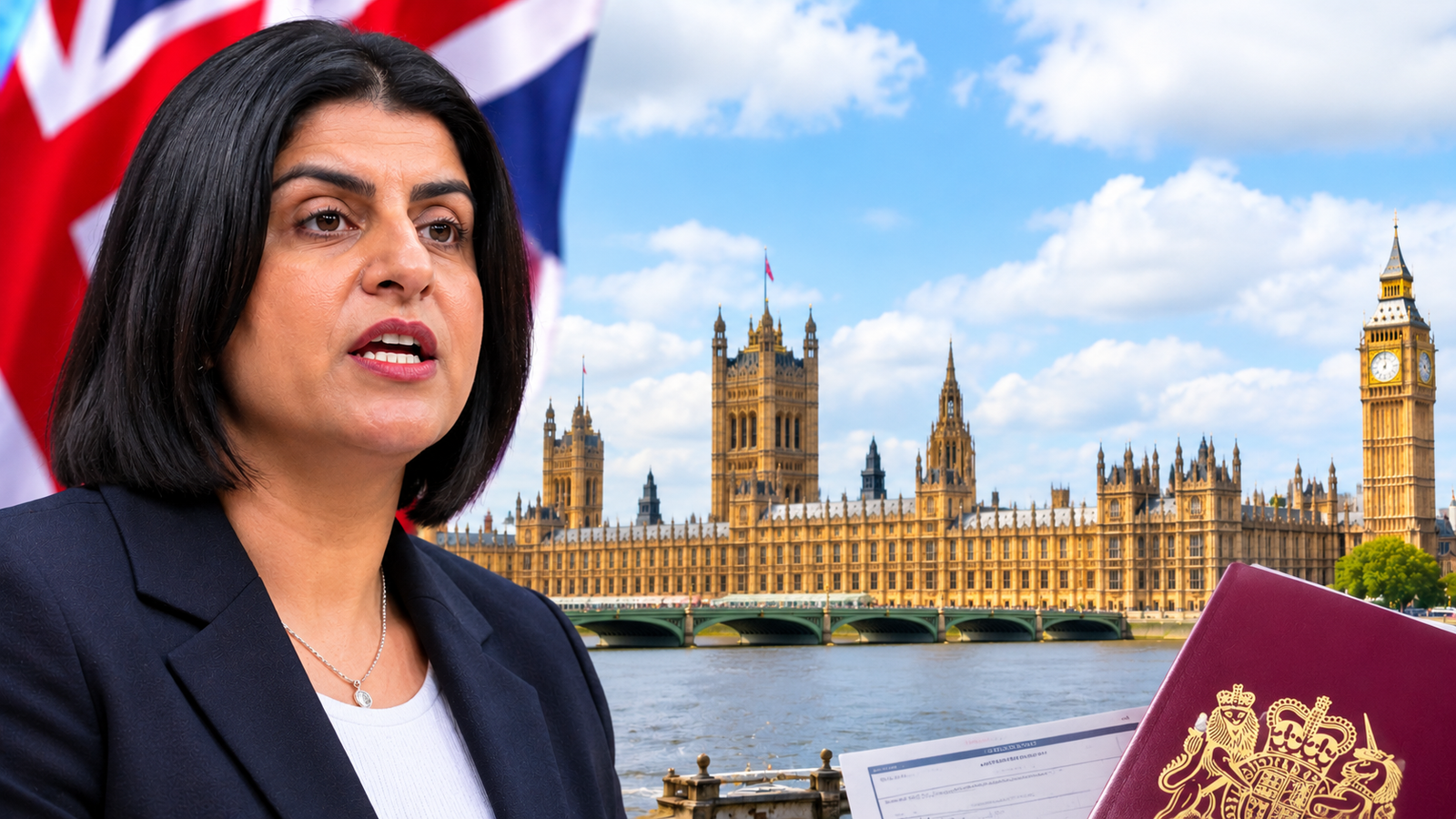
The United Kingdom has announced sweeping changes to its immigration system, introducing new eligibility requirements for permanent residency, with some migrants potentially facing a wait of up to 30 years.
British Home Secretary Shabana Mahmood announced the changes, saying migrants would no longer automatically qualify for permanent settlement and would instead have to earn the right to remain in the country.
Under the new rules, social care workers earning £25,000 annually will be eligible to apply for permanent residency after five years, rather than the previously proposed 15-year period.
According to Mahmood, this provision will benefit those who arrived in the UK before May 2025.
For other low-income workers, the qualifying period for permanent settlement has been set at 10 years.
Meanwhile, individuals earning more than £50,000 annually, along with eligible professionals working in healthcare and education, will be able to apply for permanent residency after five years.
Criminal Records, English Language and Unpaid Contributions Could Block Settlement
The Home Secretary outlined stricter eligibility requirements, warning that individuals with criminal records, insufficient English-language skills, unpaid debts or outstanding National Insurance contributions could be denied permanent residency.
Mahmood emphasised that the right to remain in Britain would no longer be automatic.
Migrants would be expected to demonstrate their contribution to British society and fulfil the requirements before becoming eligible for settlement.
Some Migrants Could Face 20 to 30-Year Wait
Under the announced framework, asylum seekers entering the UK through legal routes may apply for permanent settlement after five years.
However, migrants who entered the country illegally could face a 20-year qualifying period.
The proposed framework also includes longer settlement routes for certain migrants who are not working or studying, with the waiting period potentially extending to 30 years.
According to British media, permanent residency allows individuals to live in the UK indefinitely, work, pursue education and, where eligible, access public benefits and apply for British citizenship.
Immigration Reforms Spark Political Criticism
The proposed changes have generated criticism within the governing Labour Party, particularly over their potential application to migrants already living in Britain.
Several Labour MPs have questioned the fairness of applying tougher settlement conditions retrospectively.
Mahmood has defended the reforms, arguing that changes to the immigration system are necessary to reduce financial pressures on the public and ensure that migrants contribute to the country’s economy.
The Home Office reported that Britain’s population increased by approximately 2.6 million between 2021 and 2024.
It also projected that around 1.6 million people could become eligible for settlement between 2026 and 2030.
The reforms carry personal significance for Mahmood, whose parents migrated to Britain from Kashmir under the immigration system she is now seeking to overhaul.
The debate comes as Britain continues to reassess its immigration policies following a decline in net migration, which reportedly fell to 171,000 in 2025, approximately half the previous year’s figure.