
The Middle East Crisis: Energy Becomes the Battlefield of a New World Order
Saudi Arabia has all the resourses to respond to Iran’s covert aggression, but it has so far exercised strategic restraint in the interest of regional stability.

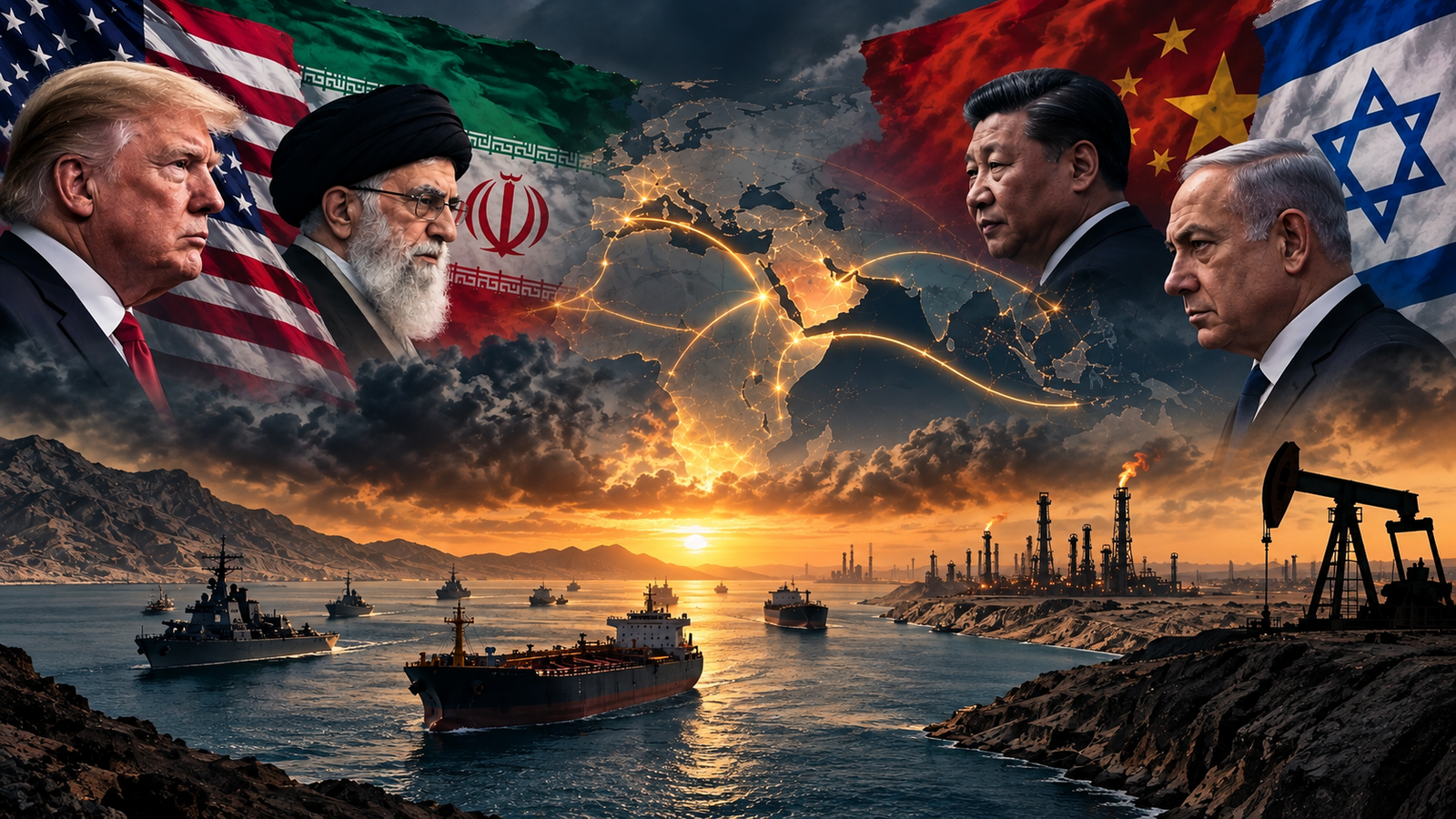
The Middle East has transitioned from a regional conflict zone to a central fault line where the new global order is shaping up through open contestation.
The erstwhile setup of “American dominance, local reliance on it, and mostly stable energy routes” now faces extreme pressure. The US, with its bases destroyed, aircraft carriers threatened, and stockpiles plummeting, is struggling to project the power it once used to. Iran pushes harder against the current US-led security framework in the Middle East to oust the US from the region. Temporary gains, i.e. denial of victory to the US, have made Iran behave like a regional bully, restricting and denying freedom of sea navigation to other countries.
China continues to tread cautiously
China expand its economic and diplomatic influence through geoeconomics, and provide tacit backing to Iran without getting directly involved in the conflict. Israel, for its part, is trying to make the most of the prevalent chaos and transform its ambitious agenda of Greater Israel into reality by destabilizing and ultimately absorbing the Middle East along with its natural resources, permanently addressing its perceived security concerns, strengthening its economy, and enabling it to emerge as another power center in the Middle East.
Hence, Israel seeks to destroy Iran, which may pose a security challenge to Israel. Caught in the crossfire are the middle powers like Saudi Arabia, the UAE, Turkey, Pakistan, and several others.
Iran has weaponised its geography into a form of leverage
Iran goals to go further: protect the regime, keep its nuclear card and bargaining power intact, block any clean US-Israeli dominance in the region, and force Washington to talk on terms of shared risk. Iran deliberately expanded the conflict to the Persian Gulf and Gulf of Aden.
Oil remains central to the crisis. Iran envisages that the US and Israel will escalate the conflict once the midterm elections pass, so it is racing to culminate the war before the elections by applying maximum pressure on Trump. The plan is to disrupt global energy supplies through damage to infrastructure and choking trade routes. Higher fuel prices and the resulting inflation in the US could easily sway voters against Trump.
This brings the Houthis and Saudi Arabia directly into the equation. The Houthis’ Iranian alignment gives Tehran an additional pressure point against the US. Saudi Arabia is just a victim of its geography and circumstances. Hormuz and Bab el-Mandeb have become two ends of the same strategic equation. Disruption at both chokepoints could transform a regional war into a major global economic crisis—one that Iran has already begun to trigger, with scant regard for its wider humanitarian consequences.
Iran’s continued reliance on armed proxies and confrontation across the Middle East has contributed to a cycle of instability that extends far beyond its immediate adversaries. Tehran’s support for groups operating in Lebanon, Iraq, and Yemen has enabled it to project influence at relatively low direct cost, but it has also destabilized the entire Middle East through widened regional conflicts, threatened vital energy and maritime corridors, and deepened insecurity among Arab states.
This goes exactly in line with Israel’s hegemonic designs in the Middle East. The instability that Iran is stoking will eventually return to Iran soon. Paradoxically, this strategy may backfire; it may reinforce the strategic narrative of Israeli Prime Minister Benjamin Netanyahu, portraying Iran not merely as an Israeli adversary but as a systemic threat to regional stability and the global economy, thereby nourishing international support for war with Tehran.
Why the World Can’t Ignore Saudi Arabia
Saudi Arabia has all the resourses to respond to Iran’s covert aggression, but it has so far exercised strategic restraint in the interest of regional stability. But a long-term disruption of Saudi energy may be very consequential in catalysing the transition of the global order by creating the following effects:
With Venezuela already gone offline, China had been pulling 54% of its energy needs from the Middle East and only 23% from Russia. Suspension of Middle East supplies would push China to rely even more heavily on Russia, which will draw the two countries closer together.
China would run into higher import bills and tighter supplies of crude.
The United States economy would face rising inflation and fresh pressure.
Europe would see inflation flare up again across transport, heating, aviation, and manufacturing.
impact on South Asia
In South Asia and the surrounding region, India, Pakistan, and other Asian economies sit in a particularly tight spot. They import most of their energy. Higher oil prices would lift transport costs, fuel inflation, strain current accounts, and pile on fiscal pressure through fuel subsidies.
Pakistan’s economy is especially vulnerable to swings in imported energy prices and external financing. A sustained Gulf energy shock could quickly tip over into a full-blown balance-of-payments crisis.
concluding on theses remarks
The emerging order won’t be settled just by who comes out on top in the fighting in Iran, Yemen, or Gaza. It will hinge on who manages risk, keeps energy moving, holds the strategic chokepoints, and shapes the diplomacy that comes afterward.
The Middle East could turn out to be the spot where the shift from a mostly American-led setup to a messier, multipolar, deal-driven world finally comes into sharp focus.
