
Millennials Endured It, Gen Z Will Not
Gen Z is looking for answers to the questions millennials never dared to ask.

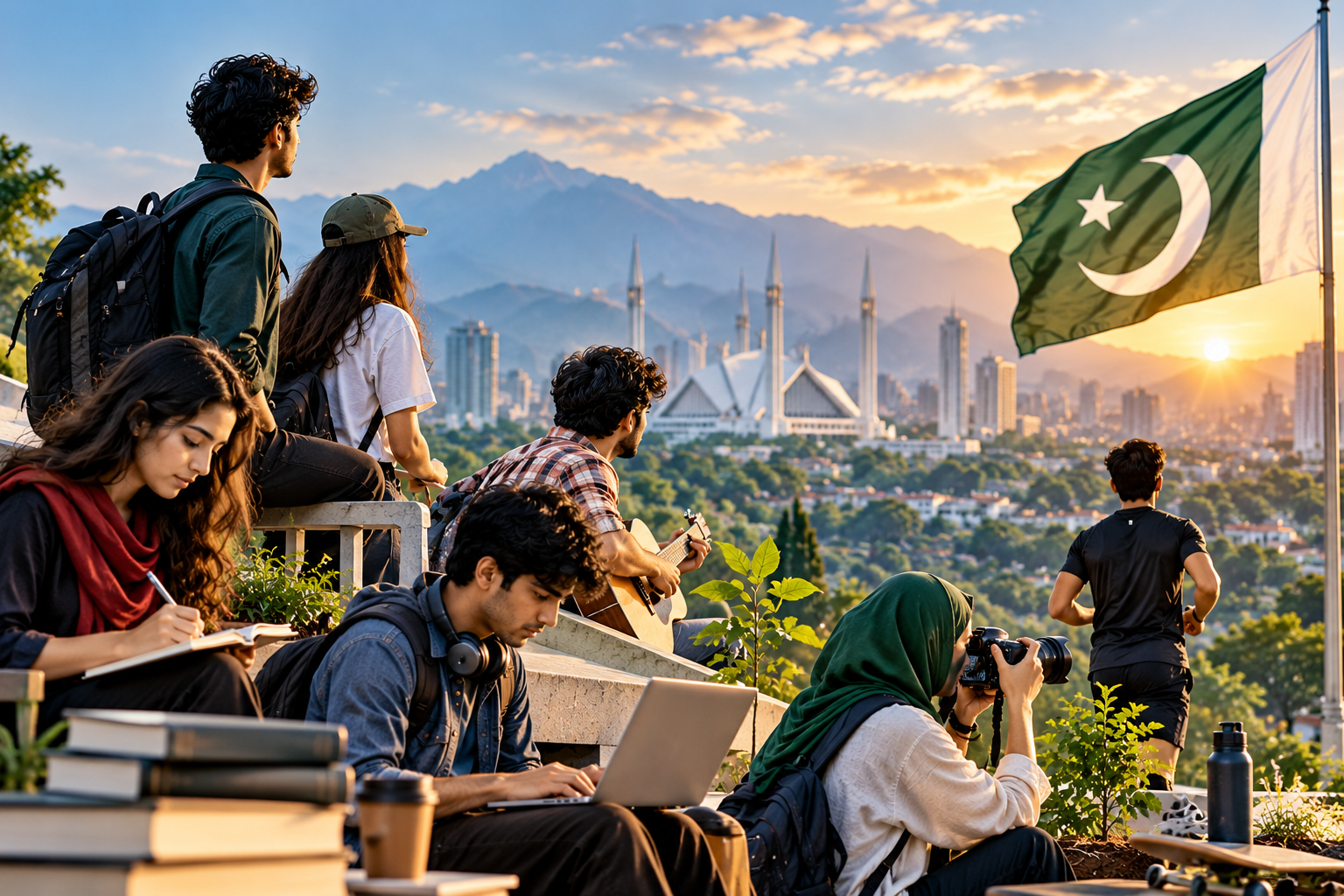
Gen Z has earned recognition by standing up for what they believe in. They are more willing to question established systems, demand accountability and make their voices heard.
The past few years have witnessed very strong digital mobilization turning into mass demonstrations that triggered major political upheavals, forced leadership changes or challenged governments across the region. Examples include Sri Lanka, Nepal, Bangladesh, India, and even Iran.
Gen Z is often described as having a very low tolerance threshold for perceived injustice, and there is a reason for this. This generation is digitally connected to the world. They observe how people live in other parts of the world and compare the opportunities and public services available to them with what their governments provide in terms of services, opportunities and accountability.
Earlier generations generally had less immediate access to information about life and opportunities beyond their local communities. Hence, such comparisons were less immediate and less accessible.
A student in Lahore observes educational opportunities in the West; an unemployed graduate in Peshawar compares public services, wages and governance with those available elsewhere. Social media exposes them not only to global progress but also to the promises, performance and failures of their own governments.
Exposure to global opportunities can raise aspirations and encourage innovation. But when expectations rise while opportunities remain limited, it can also deepen frustration.
Unemployment, inadequate education and healthcare, unreliable basic services, corruption and governance failures are not new problems. But now comparison induces dissatisfaction and grievances, fuels frustration, and social media provides a forum for digital mobilisation that can grow into street protests.
South Asia has witnessed several such movements. In Sri Lanka, an economic crisis involving shortages of fuel, food and medicine triggered mass demonstrations in 2022 demanding accountability and contributed to Prime Minister Mahinda Rajapaksa’s resignation. In Bangladesh, students’ protests against government job quotas in 2024 expanded into a broader movement demanding Prime Minister Sheikh Hasina’s resignation.
In September 2025, youth-led protests in Nepal erupted after the government banned several social media platforms, then expanded to include wider grievances over corruption and governance. This too concluded with a change of government. In July 2026, Indian students and youth protested over examination irregularities, demanding accountability and education reform. The education minister had to resigned.
Gen Z constitutes around 26% of the global population, representing approximately 2 billion people. A generation of this scale brings a worldview markedly different from that of its predecessors, as each generation is shaped by distinct social, economic and technological circumstances.
The demographic scale of this generation makes the aforementioned developments particularly relevant to Pakistan. Based on 2025 population estimates from the UN’s World Population Prospects, the approximate share of each country’s population aged 15–35 years is between 30% and 37%: for Nepal, it is 37%; Bangladesh, about 37%; Pakistan, about 36%; India, about 36%; Sri Lanka, about 30%.
if we narrow down, looking specifically at the 15–29 age group in the countries discussed above, young people account for approximately 29% of India’s population, 31% of Nepal’s, 23% of Sri Lanka’s, 27% of Bangladesh’s and 30% of Pakistan’s. Pakistan’s demographic profile becomes even more significant when the younger Gen Alpha population is included, taking the combined share to around 65%.
These developments should prompt serious reflection among Pakistan’s policymakers, as several countries in the region, including those with smaller youth shares, have experienced significant youth-led movements. Pakistan is otherwise in the eye of the storm due to ongoing global power contestation.
It faces tremendous challenges from hostile narratives seeking to deepen political polarization, exploit social, ethnic and sectarian divisions, erode trust in institutions and promote sub-nationalism. If governments fail to improve governance, provide basic services and expand equitable opportunities, public frustration may intensify and Gen Z may not wait and may end up following in the footsteps of their peers in the region.
For Pakistan, this is both a warning and an extraordinary opportunity. Without quality education, market-relevant skills, employment, healthcare and meaningful participation, it can become a source of frustration and social pressure. But with investment and inclusion, the same generation can drive entrepreneurship, technological progress, productivity, innovation and national renewal—the future Pakistan needs.
Gen Z is not simply a generation asking for change; it is a generation capable of making it happen. Its energy can be channelled into building businesses, advancing science and technology, strengthening communities and improving public institutions. Pakistan’s future will depend, in significant measure, on whether its leaders provide the conditions for that potential to flourish or not. A country that invests in its youth invests in its own continuity.
A country that invests in its youth invests in its own continuity. A country that ignores them risks turning its greatest demographic asset into its deepest governance challenge. Millennials endured it, but Gen Z will not.
