
Taliban Supreme Leader Among Four Facing ICC Arrest Warrants Over Persecution of Women
In a decision on Monday, ICC judges unsealed warrants for Taliban Supreme Leader Haibatullah Akhundzada and Chief Justice Abdul Hakim Haqqani, whose warrants were initially announced in July 2025, as well as Habibullah Agha and Neda Mohammad Nadim.

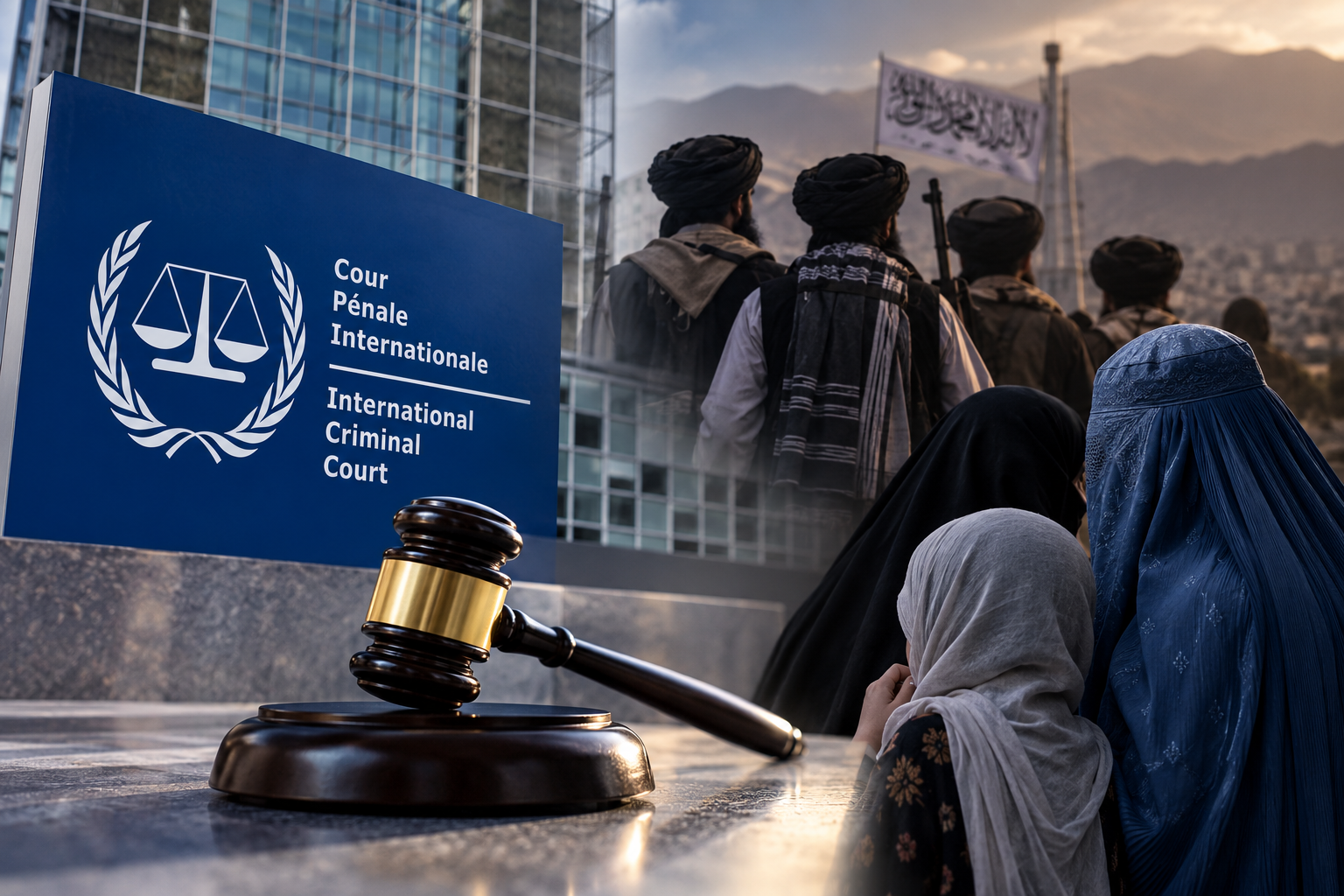
The International Criminal Court (ICC) has unsealed arrest warrants for four senior Taliban leaders over the persecution of women and girls in Afghanistan, finding reasonable grounds to believe they bear criminal responsibility for crimes against humanity, according to a UN press release.
In a decision on Monday, ICC judges unsealed warrants for Taliban Supreme Leader Haibatullah Akhundzada and Chief Justice Abdul Hakim Haqqani, whose warrants were initially announced in July 2025, as well as Habibullah Agha and Neda Mohammad Nadim.
The four arrest warrants were issued between July and September 2025.
According to the court, there are reasonable grounds to believe that all four are criminally responsible for ordering, inducing or soliciting persecution — a crime against humanity under Article 7(1)(h) of the Rome Statute, the ICC’s founding treaty.
The ICC said the persecution was carried out on gender grounds against girls, women and others who did not conform to the Taliban government’s policies on gender, gender identity or expression.
The court said persecution was also carried out on political grounds against people perceived as “allies of girls and women”.
According to the ICC, the alleged crimes were committed in Afghanistan from August 15, 2021, when the Taliban seized power, until at least January 20, 2025.
Judges found that the Taliban had implemented policies that resulted in serious violations of the fundamental rights and freedoms of Afghanistan’s civilian population, linked to murder, imprisonment, torture, rape and enforced disappearance.
While some Taliban rules applied to the population generally, the court said women and girls were specifically targeted because of their gender.
Through decrees and edicts, women and girls were severely deprived of their rights to education, privacy and family life, as well as freedoms of movement, expression, thought, conscience and religion, the court said.
The judges also found that Afghans perceived as opposing these policies — including those who did so passively or failed to comply — were targeted as political opponents. These included people described as “allies of girls and women”.
The ICC said gender-based persecution was not limited to direct acts of violence but could also encompass systemic and institutionalised harm, including the imposition of discriminatory social norms.
The ICC Prosecutor applied for the first two arrest warrants on January 23, 2025, and judges issued them on July 8 that year. They were initially kept under seal to protect victims and witnesses and safeguard proceedings, although the court publicly disclosed their existence.
At the time, the ICC Prosecutor said further applications against other senior Taliban members would follow.