
Trump Administration Sanctions ICC, Threatens to Cut Off Court’s Resources
US Secretary of State Marco Rubio announced the sanctions, declaring that President Donald Trump would never allow the ICC to prosecute American citizens.
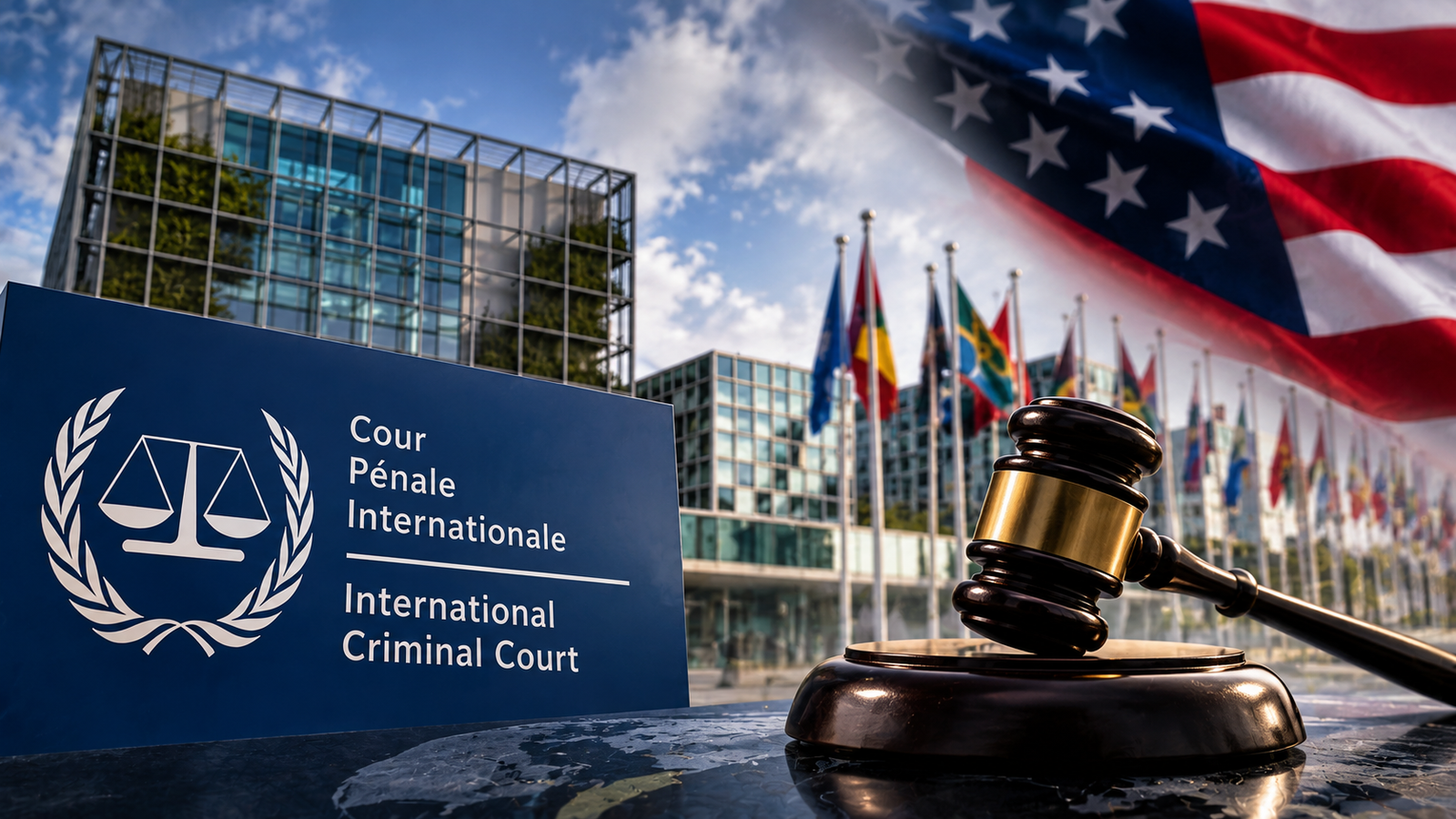
The Trump administration has announced sweeping sanctions against the International Criminal Court (ICC), triggering a strong response from the Hague-based tribunal, which described the move as an attack on the foundations of international law and called on its 125 member states to defend the institution.
The announcement came just hours after former ICC judge and South African jurist Navi Pillay was awarded a Nobel Prize, according to the reported developments, adding a significant diplomatic dimension to Washington’s latest confrontation with the international court.
US Secretary of State Marco Rubio announced the sanctions, declaring that President Donald Trump would never allow the ICC to prosecute American citizens.
“President Trump will never allow the International Criminal Court to prosecute Americans,” Rubio said.
He further stated that Washington would prohibit transactions with the court, cut off its resources and restrict its ability to operate.
ICC Calls on 125 Member States to Defend International Justice
The ICC strongly condemned the American decision, describing it as an attack on the rule of law and the foundations of the international legal order.
In a statement, the court urged its 125 member states to stand together in defence of the institution and the international justice system.
“The Court cannot stand alone. Its fate now rests in the hands of the States that created it,” the ICC said.
The tribunal stressed that the issue extended beyond the survival of a single institution, warning that the broader international system based on the rule of law was at stake.
US Treasury Announces Six-Month Grace Period
According to the reported measures, the US Treasury Department has introduced an initial six-month grace period, allowing certain exemptions for telecommunications, software services, pension payments and activities involving detained individuals.
Rubio said the sanctions had been structured to provide the ICC and its member states an opportunity to address Washington’s demands.
He warned that the measures could be modified if those demands were not met.
The restrictions could significantly affect the court’s financial transactions, access to essential services and operational capabilities.
Why Washington Is Targeting the ICC
The Trump administration has maintained a confrontational position toward the ICC, which was established in 2002 to prosecute individuals accused of genocide, crimes against humanity and war crimes.
Washington has previously imposed sanctions on ICC prosecutors and judges over investigations involving American personnel and Israeli officials.
The United States has strongly opposed the court’s arrest warrants against Israeli Prime Minister Benjamin Netanyahu and other Israeli officials, as well as its earlier investigation into alleged crimes involving US military personnel in Afghanistan.
The latest sanctions mark a further escalation in the longstanding dispute over the ICC’s jurisdiction and its authority to investigate individuals from countries that are not parties to the Rome Statute.
Nobel Recognition Adds to International Debate
The sanctions announcement reportedly followed the awarding of a Nobel Prize to South African jurist Navi Pillay, who served as a judge in the ICC’s Appeals Chamber from 2003 to 2008.
According to the supplied report, the Nobel committee described the recognition as a signal of support for international tribunals at a time when international legal institutions and judges face growing political pressure.
The ICC, headquartered in The Hague, Netherlands, has traditionally received strong support from European countries and other states committed to international criminal justice.
The latest confrontation now places renewed attention on whether the court’s member states can protect its independence and operational capacity in the face of American sanctions.