
Shehroze Kashif Clears Guide, Porter in Dr Asma Death Probe; Forensic Report Awaited
The three-member inquiry committee has already recorded statements from renowned mountaineer Shehroze Kashif, expedition guide Muhammad Amin and mountain guide Ali Akbar, a committee member told PPC Digital.

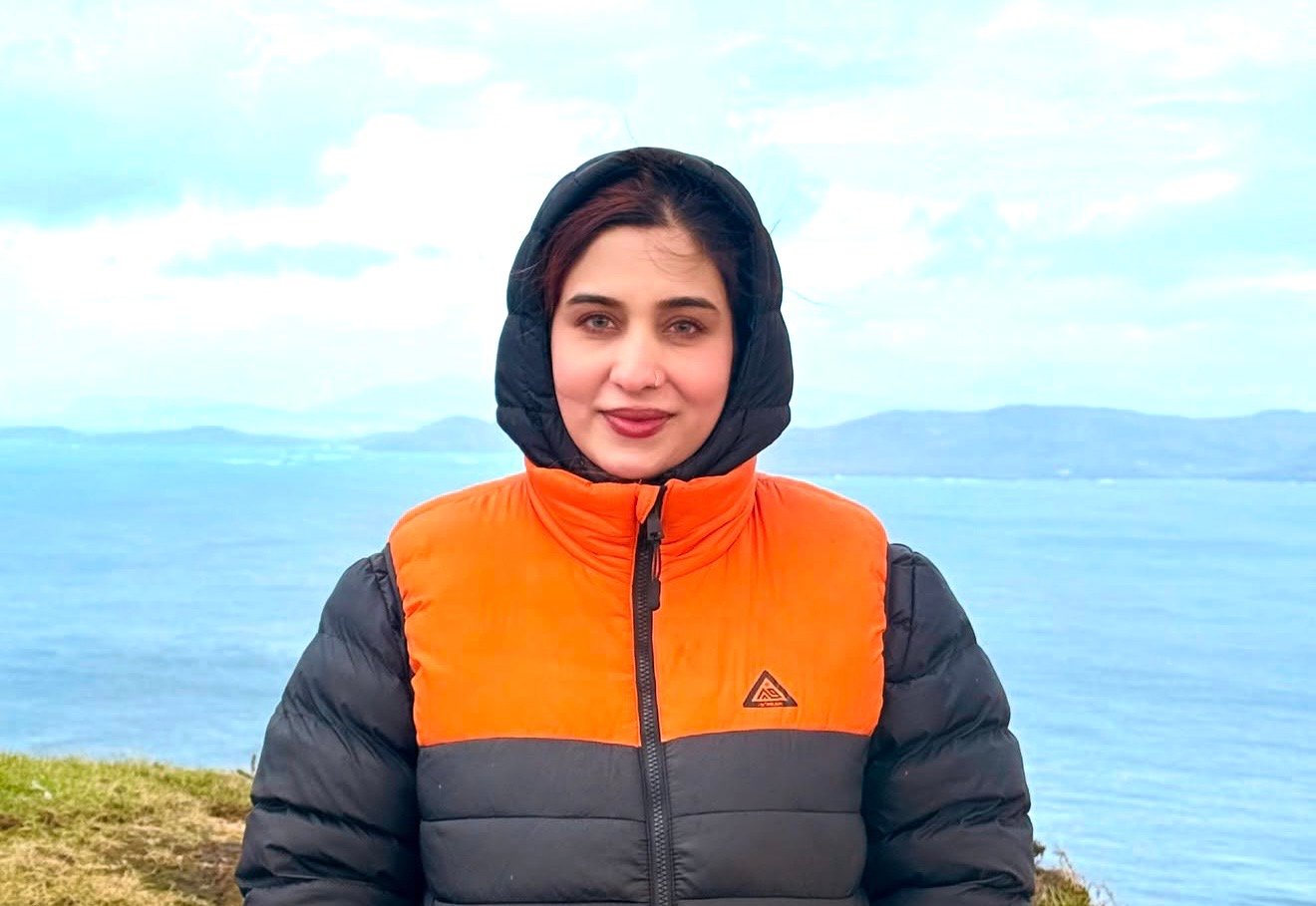
The inquiry into the death of Pakistani mountaineer Dr Asma Mushtaq on Spantik Peak has entered its final stage, with investigators awaiting the forensic report of a porter’s confiscated mobile phone before determining whether criminal negligence contributed to her death.
The three-member inquiry committee has already recorded statements from renowned mountaineer Shehroze Kashif, expedition guide Muhammad Amin and mountain guide Ali Akbar, a committee member told PPC Digital.
Dr Asma Mushtaq lost her life during an expedition to the 7,027-metre Spantik Peak on August 19. Her body remained on the mountain for around 20 days before a local volunteer team led by Mehboob Ali Arandu from Arandu village recovered it and brought it down. Her family later approached police seeking an inquiry into her death, alleging criminal negligence on the part of the expedition company and those responsible for her safety.
According to the committee member, Shehroze was called because investigators wanted an experienced mountaineer’s assessment of the actions of the guide and porter who were involved in Dr Asma’s expedition.
Shehroze, who was present at Spantik Base Camp at the time but was not part of Dr Asma’s expedition, recorded his statement on September 21.
Shehroze Statement
In his statement, Shehroze said he did not consider their actions to constitute criminal negligence, effectively giving the guide and porter a clean chit on that question.
He also maintained that Dr Asma was neither part of his group nor his client and therefore was not under his responsibility.
Deleted Video Under Forensic Examination
A key piece of evidence still being examined is a video recorded on the mobile phone of the porter who was with Dr Asma during her final hours on the mountain.
According to the porter’s statement, he showed the footage to people at the base camp but later deleted it because he did not want the video to circulate on social media.
Dr Asma’s family has raised serious questions over its deletion, maintaining that the footage was important evidence that could help establish her condition and what happened before her death.
Police subsequently confiscated the porter’s phone and sent it for forensic examination to determine whether the deleted video can be recovered.
A committee member told PPC Digital that the forensic findings would be important to the final outcome of the inquiry and could potentially change the narrative surrounding the circumstances of Dr Asma’s death.
Inquiry Examines Acclimatisation
Investigators are also examining whether Dr Asma was sufficiently acclimatised before attempting the 7,027-metre Spantik Peak.
According to the porter’s statement before the committee, Dr Asma did not complete certain acclimatisation rotations recommended before proceeding higher and maintained that she was already acclimatised.
The committee is now examining the responsibilities of both sides, including whether the expedition staff should have insisted that she complete the required rotations before allowing her to proceed.
One committee member said the inquiry had to establish whether a guide or porter had the authority or responsibility to stop a climber from proceeding if the climber herself maintained that she was adequately acclimatised.
Could the Porter Have Brought Her Down?
Another major question concerns Dr Asma being left on the mountain while she was still alive.
Her family has alleged that Ali Akbar left her approximately 100 metres above Camp III and descended while she was alive, accusing the expedition staff of failing to make adequate efforts to rescue her.
Investigators, however, are also assessing the physical circumstances at extreme altitude.
A committee member said the inquiry must determine the porter’s own physical condition at the time and whether he had enough strength to bring down a critically ill and completely exhausted climber without assistance.
The committee is therefore examining whether it was physically possible for one exhausted person at such an altitude to drag or carry another climber who was unable to descend independently.
Family Sought Inquiry Into Alleged Negligence
Dr Asma lost her life on Spantik Peak on August 19 after her condition deteriorated during the expedition.
Her body remained on the mountain for around 20 days before local volunteers from Arandu village, led by mountaineer Mehboob Arandu, undertook a difficult recovery operation and brought it down. The body was subsequently airlifted to Skardu.
Following the recovery, Dr Asma’s family approached police in Skardu seeking a detailed investigation into her death and alleging criminal negligence on the part of the expedition company and those responsible for her safety.
The family raised questions over the handling of her deteriorating condition, the decision to leave her on the mountain, the response after she was left behind and the deletion of the video recorded during her final hours.
Following the application, the Baltistan Range police constituted a three-member inquiry committee headed by Aftab Alam, SSP Admin and Coordination at the DIG Office Baltistan Range. Wazir Naik Alam, DPO Shigar, and Sanaullah, ASP/UT Skardu, were named as members.
The committee has not yet determined whether any individual or the expedition company bears criminal responsibility for Dr Asma’s death.
Its final findings are expected after investigators receive the forensic report on the porter’s mobile phone.