
No Enriched Nuclear Material Will Be Moved Abroad, Iran Tells Pakistan Army Chief
Iran’s Supreme National Security Council Mohsen Rezaei said Iranian officials and the public agreed that negotiations should not take place until Washington took confidence-building measures, adding that the process must begin with the fulfilment of Iran’s conditions.

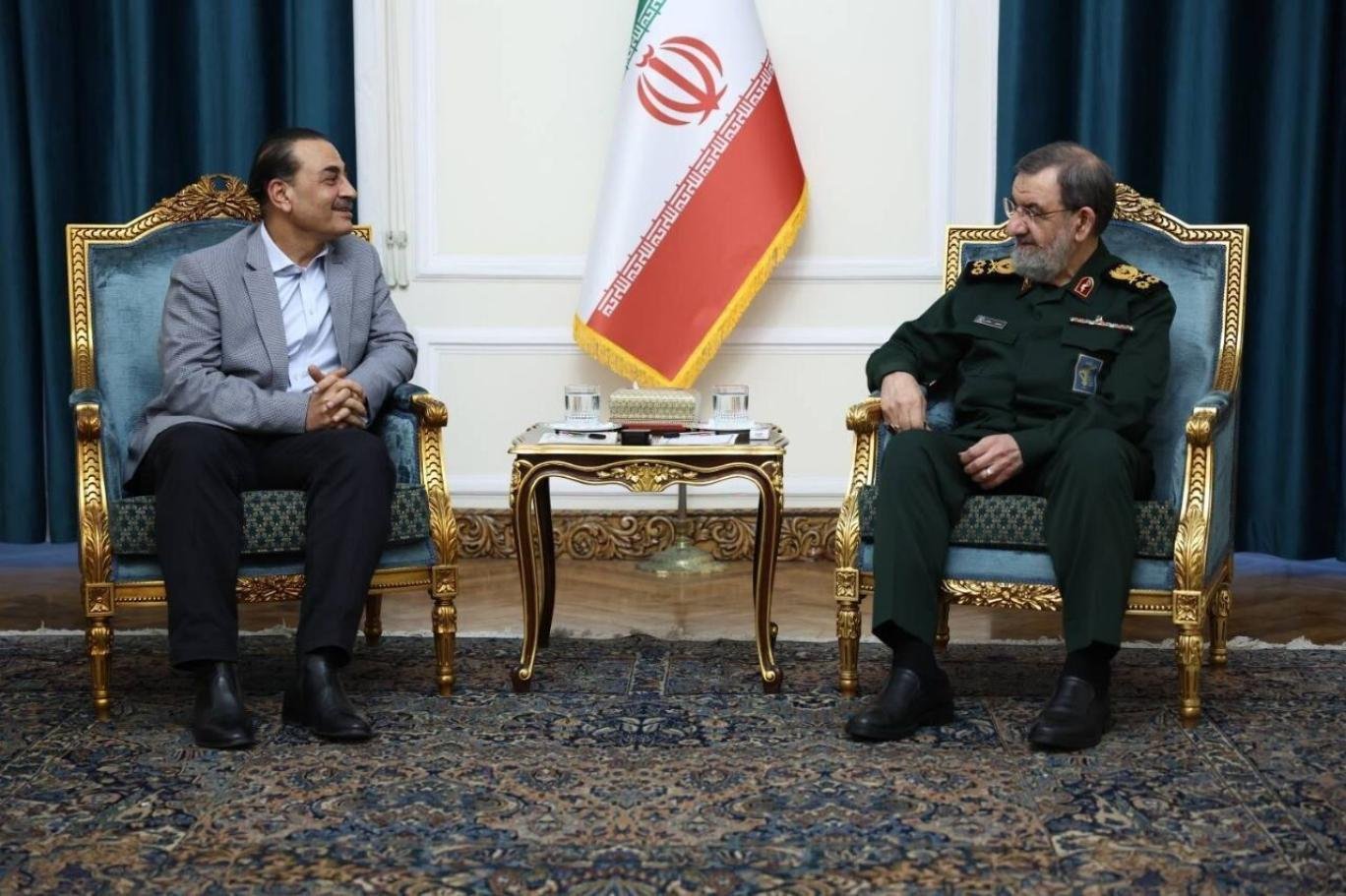
Pakistan helped broker an agreement in June aimed at halting the war between the United States and Iran, reopening the Strait of Hormuz and paving the way for negotiations towards a lasting settlement.
However, the agreement subsequently collapsed, leaving disputes over Iran’s nuclear programme, sanctions and access to the strategic waterway, a vital route for energy shipments, unresolved.
Iran’s state news agency IRNA reported on Tuesday that Rezaei told Field Marshal Munir during their meeting that “all enriched nuclear material will remain in Iran. Not a single particle of enriched nuclear material will leave the country. This material is a major asset and national wealth for the Iranian people, preserved for use within the country.”
Rezaei said Iranian officials and the public agreed that negotiations should not take place until Washington took confidence-building measures, adding that the process must begin with the fulfilment of Iran’s conditions.
The statement underlines Tehran’s position on the future of its stockpile of enriched uranium, a central issue in diplomatic negotiations over its nuclear programme. Iran maintains that its nuclear programme is intended for peaceful purposes.
Enriched uranium can be used as fuel in nuclear reactors, but if enriched to sufficiently high levels, it can also be used in the production of nuclear weapons.
During his visit, Field Marshal Munir also met Iranian President Masoud Pezeshkian on Tuesday. Interior Minister Mohsin Naqvi accompanied him to the meeting.
According to IRNA, the army chief met Iranian Foreign Minister Abbas Araghchi before holding talks with President Pezeshkian.
The Iranian president thanked Pakistan for its efforts to ease tensions through diplomacy but said Washington must end its pressure, threats and sanctions before negotiations could begin.
“Any kind of negotiations requires that pressure, threats and sanctions be removed first,” Pezeshkian said, according to IRNA.
