
US Midterm Elections 2026: Eight Historic Firsts for Women and Minorities
The Democratic Party made significant gains in the November 3 elections, with candidates from diverse religious, ethnic and professional backgrounds securing major public offices.

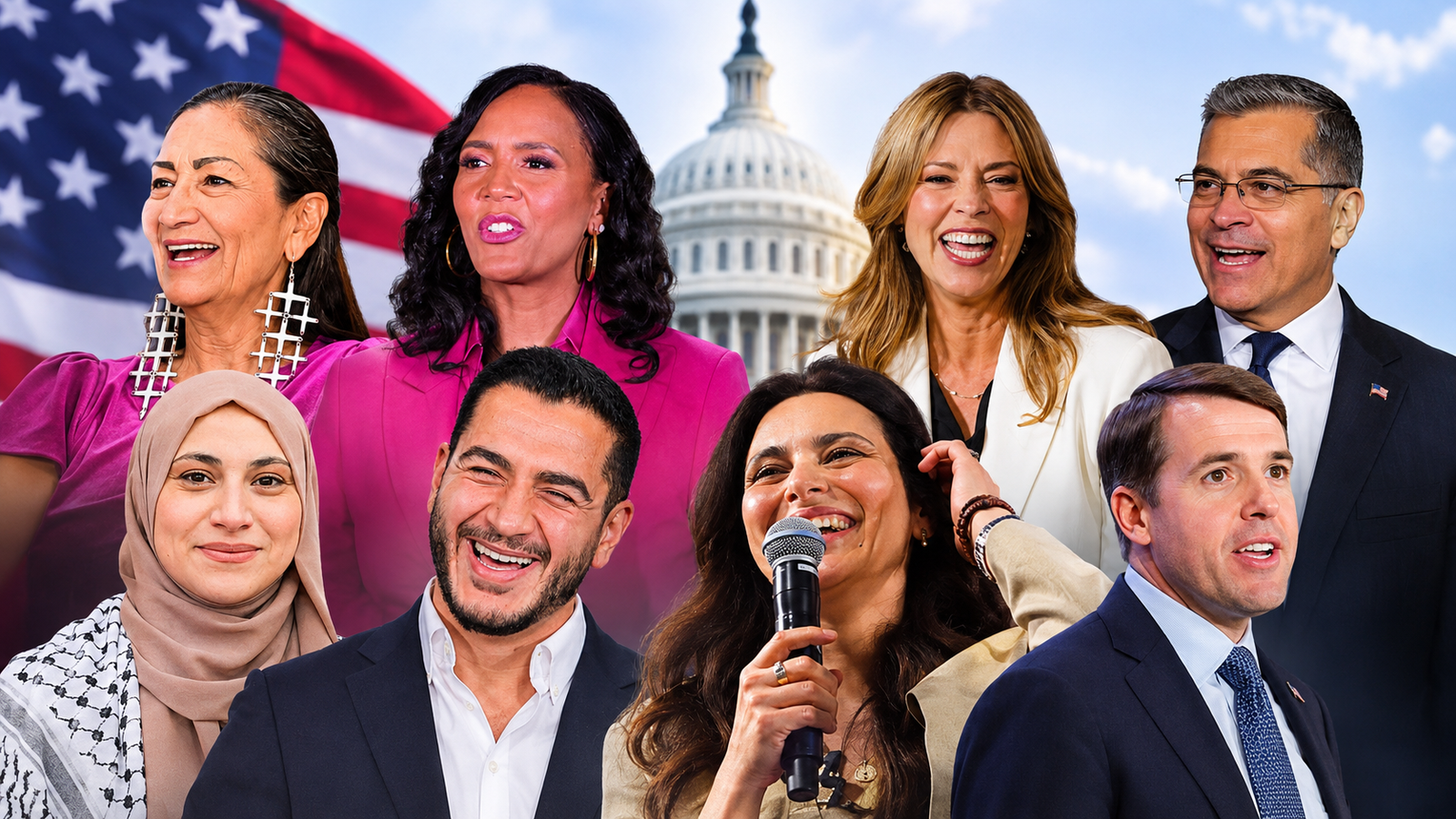
From America’s first Muslim senator to groundbreaking victories for women and ethnic minorities, the 2026 US midterm elections have marked a historic shift in political representation across several states.
The Democratic Party made significant gains in the November 3 elections, with candidates from diverse religious, ethnic and professional backgrounds securing major public offices.
Among the most notable results were the election of the country’s first Muslim senator, the first Native American woman governor and the first Black woman governor in US history.
The victories also brought new milestones for Palestinian Americans, Hispanic women and other underrepresented communities.
Abdul El-Sayed: America’s first Muslim senator
In Michigan, Democrat Abdul El-Sayed made history by becoming the first Muslim elected to the United States Senate.
The Egyptian-American physician and progressive politician secured victory despite facing Islamophobic attacks during his election campaign.
Born in Michigan to Egyptian immigrant parents, El-Sayed previously served as Detroit’s health director and built his political career around healthcare reform and progressive policies.
His election represents a significant milestone for Muslim Americans seeking greater representation in national politics.
Deb Haaland: First Native American woman governor
In New Mexico, Democrat Deb Haaland became the first Native American woman elected governor in US history.
A member of the Laguna Pueblo tribe, Haaland previously served as US Secretary of the Interior under former President Joe Biden.
Her victory marks another major milestone in Native American political representation.
Keisha Lance Bottoms: First Black woman governor
Georgia witnessed another historic result as Democrat Keisha Lance Bottoms became the first Black woman elected governor in the United States.
Bottoms, a former mayor of Atlanta and senior adviser in the Biden administration, campaigned on improving healthcare, providing economic relief to families and protecting personal freedoms.
Her victory represents a breakthrough for Black women in American state politics.
Amy Acton: Ohio elects its first woman governor
In Ohio, Democrat Amy Acton became the first woman elected governor of the state.
A physician and former public health official, Acton overcame significant personal challenges, including experiencing homelessness during childhood.
Her campaign focused on affordability, improving healthcare access, strengthening public education and protecting reproductive rights.
Aber Kawas: First Palestinian American in New York State Legislature
Democrat Aber Kawas became the first Palestinian American elected to serve in the New York State Legislature.
Kawas received support from New York City Mayor Zohran Mamdani and the city’s Democratic Socialists of America.
Her election marks a significant moment for Palestinian-American political representation in New York.
Gina Hinojosa: Historic victory in Texas
In Texas, Democrat Gina Hinojosa became the first Hispanic woman elected governor of the state.
Her victory also ended more than three decades of Republican control of the Texas governorship.
Hinojosa campaigned heavily on education reform and increased funding for public schools.
Chris Pappas: First openly gay man elected to US Senate
New Hampshire Democrat Chris Pappas became the first openly gay man elected to the US Senate.
His campaign focused on economic relief, government accountability, anti-corruption measures and strengthening congressional oversight of the executive branch.
Xavier Becerra: California’s first Latino governor since 1875
In California, Democrat Xavier Becerra became the state’s first Latino governor since 1875.
The son of Mexican immigrants, Becerra previously served as California’s attorney general and US Secretary of Health and Human Services.
His victory carries particular significance in a state with a large immigrant population.
The 2026 midterm elections have highlighted the growing political influence of women, immigrant communities and religious and ethnic minorities across the United States.
Beyond the Democratic Party’s electoral gains, the results represent a series of historic firsts in a country where representation and identity remain central issues in political debate.