
From Public Health to US Politics: The Rise of Michigan’s Abdul El-Sayed
His victory speech, shared following the 3 November midterm elections, has attracted attention for its message of faith, hope and perseverance.

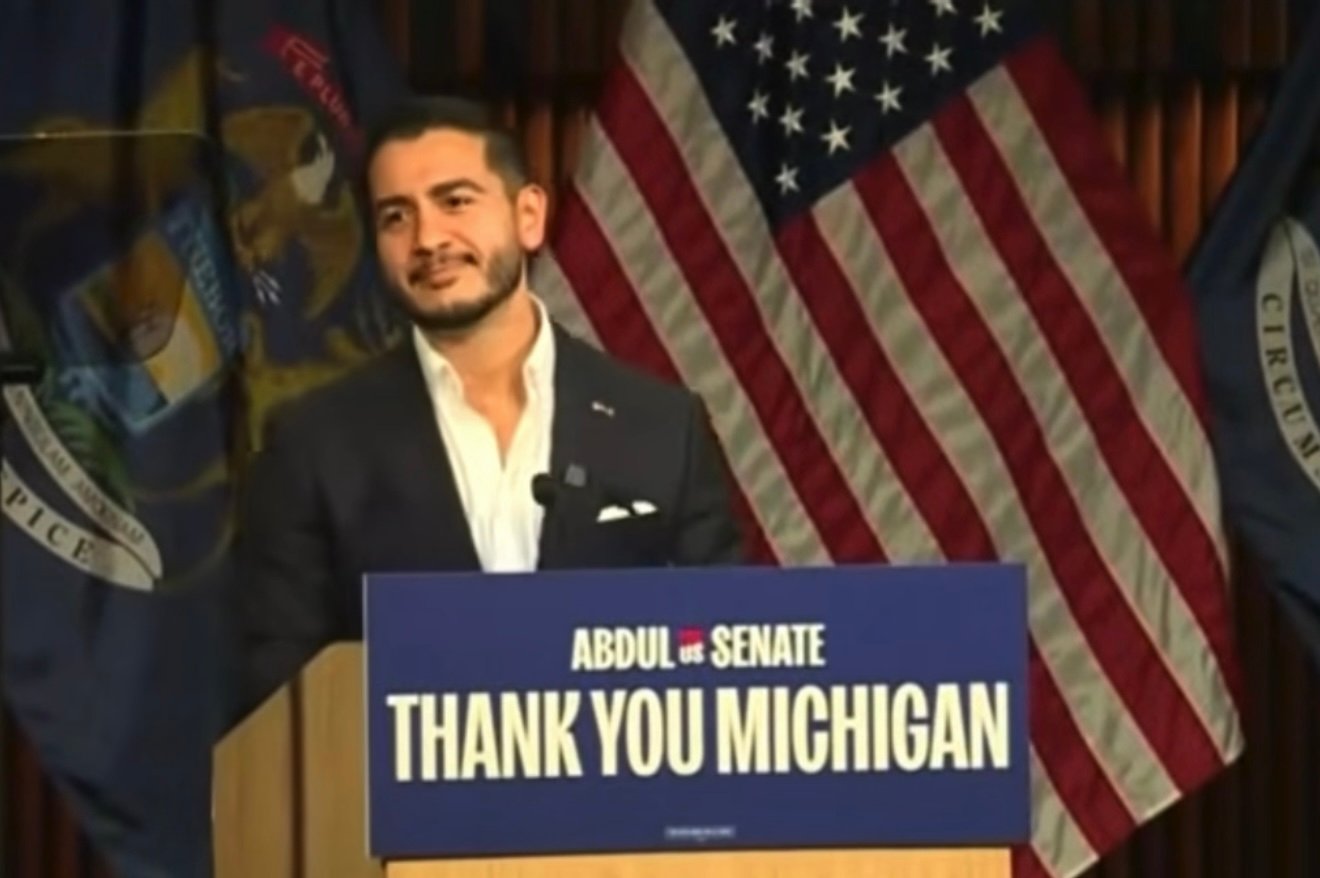
Abdul El-Sayed, an Egyptian-American physician and progressive Democrat, has drawn attention following Michigan’s 2026 US Senate election, with his political journey reflecting the growing visibility of Americans from immigrant backgrounds in national politics.
El-Sayed, who was born and raised in Michigan, is the son of Egyptian immigrants. He built his career in medicine and public health before entering politics, becoming known for his advocacy of universal healthcare, economic equality and progressive policies.
His victory speech, shared following the 3 November midterm elections, has attracted attention for its message of faith, hope and perseverance.
From public health to politics
Before pursuing elected office, El-Sayed served as executive director of the Detroit Health Department, where he worked on public health programmes and efforts to address health inequalities.
He gained national attention in 2018 when he sought the Democratic nomination for governor of Michigan.
Although he lost the primary to Gretchen Whitmer, his campaign established him as a prominent progressive voice in the state.
His political platform has emphasised expanding healthcare access, addressing economic inequality and improving opportunities for working families.
Egyptian roots and American identity
Born in Michigan to a family with Egyptian roots, El-Sayed has frequently discussed the influence of his upbringing, faith and family background on his public life.
His political career reflects a broader discussion about representation and the role of Muslim Americans in US politics.
His latest election campaign has once again placed his background and political ambitions in the national spotlight.
Why Michigan matters
Michigan is one of the most closely watched battleground states in American politics.
The state has played an important role in recent presidential elections, with both Democrats and Republicans competing for support among working-class voters, suburban communities and younger voters.
Michigan is also home to a significant Arab-American population, particularly in the Detroit metropolitan area.
The state’s political landscape has been shaped by debates over the economy, healthcare, immigration and US foreign policy.
What happens next?
The new US Congress is scheduled to convene on 3 January 2027, when senators elected in November are due to begin their terms.
For El-Sayed, the election represents another chapter in a political career that began with a focus on public health and developed into a broader campaign for progressive change.
His journey from Michigan’s public health sector to national politics has made him a prominent figure among a new generation of Democratic politicians.