
Trump, Israeli Army Chief Oppose Iran Strikes Ahead of Crucial Israeli Elections: Reports
Israel reportedly accepted the US position reluctantly, amid concerns over the possibility of further escalation involving Iran-backed Houthi forces in Yemen.

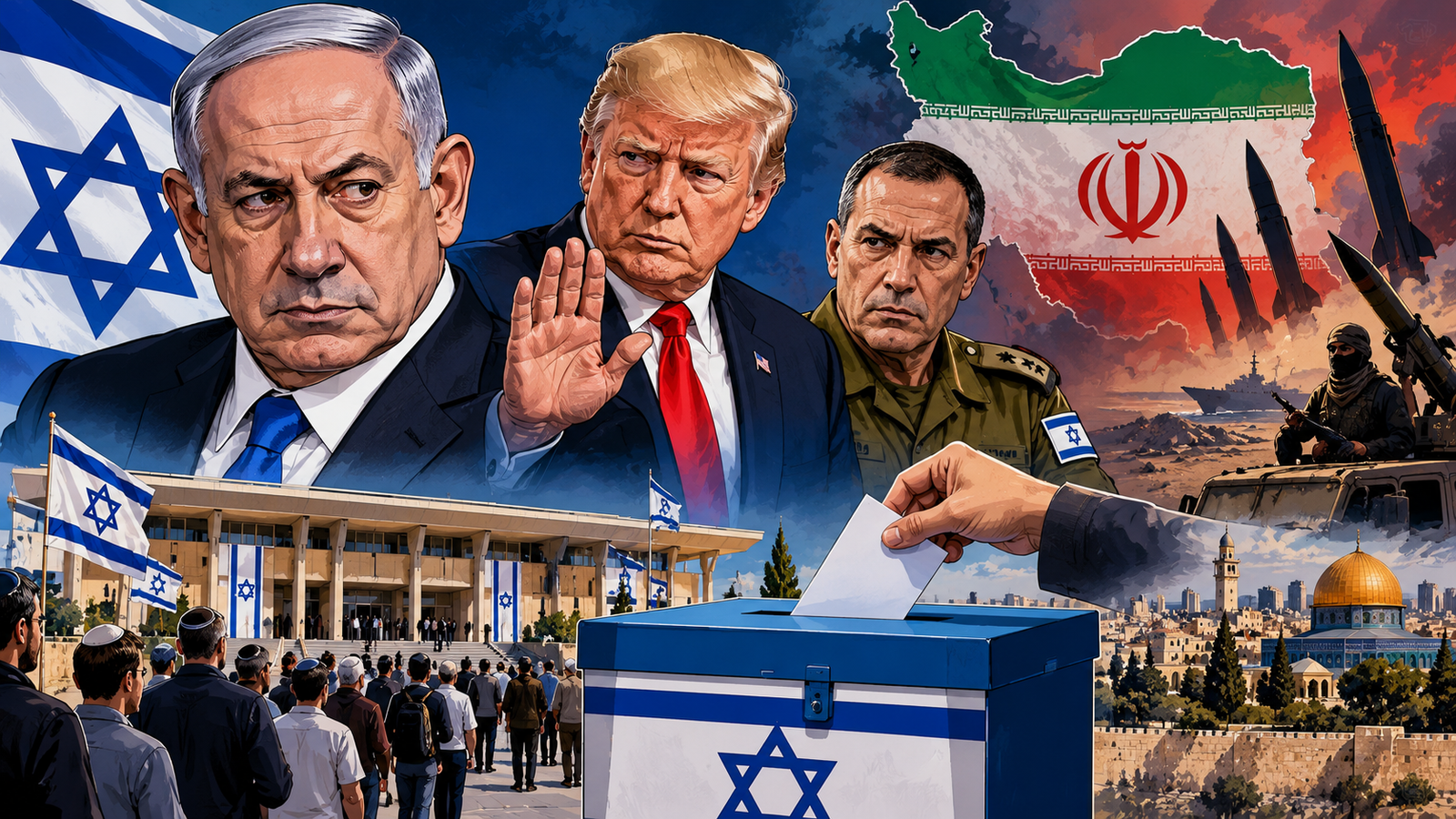
Israelis head to the polls on Tuesday in a closely contested general election, as Prime Minister Benjamin Netanyahu reportedly failed to secure US backing for fresh military strikes against Iran ahead of the vote.
According to media reports, US President Donald Trump and Israeli military chief Lieutenant General Eyal Zamir opposed launching new attacks on Iran before the elections, despite Netanyahu’s efforts to push for military action.
Netanyahu reportedly spent much of the previous week lobbying senior US officials for renewed strikes against Iran. However, American officials declined to support immediate military action, reportedly indicating that a joint operation against Iran could take place in the near future.
Sources said Washington’s decision also took into account concerns raised by Israeli military chief Eyal Zamir that another attack on Iran could trigger a wider regional confrontation and potentially force the postponement of Israel’s general elections.
Israel reportedly accepted the US position reluctantly, amid concerns over the possibility of further escalation involving Iran-backed Houthi forces in Yemen.
Israeli officials fear that if the Houthis redirect their missile attacks towards Israel, the country could require additional American military assistance to strengthen its defence capabilities.
The reported disagreement over the timing of military action comes as Netanyahu faces one of the most challenging electoral contests of his political career.
Israel Holds General Elections Today
Polling in Israel’s general elections is scheduled to begin at 7:00 a.m. local time on Tuesday and continue until 10:00 p.m.
Voters will elect 120 members of the Knesset, Israel’s parliament, where a political party or coalition requires at least 61 seats to form a government.
Opinion polls indicate a closely contested race between Netanyahu’s political bloc and opposition parties, with former Israeli military chief Gadi Eisenkot and former Prime Minister Naftali Bennett emerging as prominent opposition figures.
The elections are taking place against the backdrop of prolonged regional conflict, political divisions and mounting public pressure following the October 7, 2023 attacks and subsequent Israeli military operations.
Netanyahu faces significant challenges in retaining power, with reports suggesting that the prolonged war, domestic political disputes and growing security concerns have weakened his political standing.
The outcome of the vote could shape Israel’s future government, its approach towards Iran and its broader military and diplomatic policies in the Middle East.