
Uncontrolled Urbanization Worsens Climate Risks in Pakistan

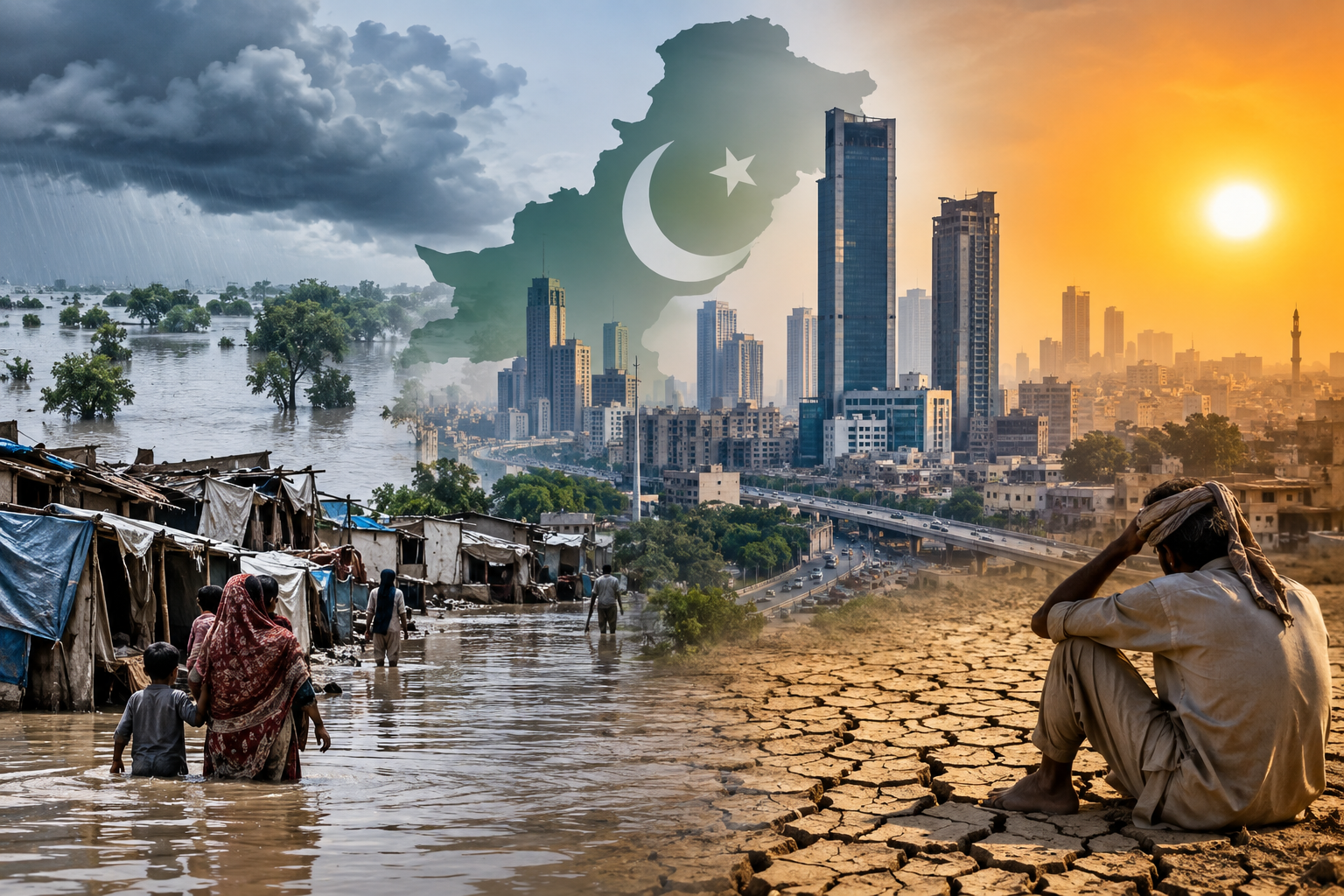
Pakistan faces a critical juncture where rapid, often uncontrolled urbanization intersects with the severe impacts of climate change, creating a complex web of challenges for its environment and population. This dual crisis exacerbates existing vulnerabilities, particularly for the urban poor, and threatens the nation’s sustainable development.
Pakistan is experiencing one of the highest rates of urbanization in South Asia, with nearly 40% of its population residing in urban areas as of 2023. This demographic shift is primarily driven by high birth rates and significant rural-to-urban migration, as people seek better economic opportunities and improved access to basic services in cities. However, this rapid urban expansion has largely been unplanned and unmanaged, leading to a host of problems. Cities are grappling with housing shortages, the proliferation of informal settlements (slums), inadequate infrastructure, and strained essential services such as water, electricity, and sanitation. This unplanned growth often results in urban sprawl, consuming fertile agricultural land and increasing environmental degradation.
Compounding these urbanization challenges are the escalating risks posed by climate change. Pakistan is exceptionally vulnerable to climate change, ranking fifth among the countries most affected by extreme weather events between 1999 and 2018. The country experiences a range of climate-induced hazards, including floods, extreme temperatures, heatwaves, droughts, and storms.
The interplay between uncontrolled urbanization and climate change manifests in several critical ways:
Increased Flood Vulnerability: Rapid urbanization, coupled with poor drainage systems, urban sprawl, and the loss of green spaces, intensifies urban flooding. Informal settlements, often located in high-risk areas such as riverbanks and drainage basins, are particularly susceptible to devastating floods. The 2022 floods, which submerged one-third of the country and affected over 30 million people, highlighted Pakistan’s extreme vulnerability to such events.
Exacerbated Heatwaves and Urban Heat Islands: Climate change is intensifying heatwaves across Pakistan, with temperatures in some areas regularly reaching 50°C. Dense urban infrastructure traps heat, making cities significantly warmer than surrounding rural areas—a phenomenon known as the Urban Heat Island (UHI) effect. This poses severe health risks, especially for vulnerable populations such as children, the elderly, and outdoor workers, and can lead to heatstroke and dehydration.
Strain on Resources and Infrastructure: The growing urban population places immense pressure on already limited natural resources and aging infrastructure. Water scarcity is a critical concern, with Pakistan rapidly approaching absolute water scarcity. Uncontrolled growth leads to increased resource consumption, higher greenhouse gas emissions, and significant infrastructural strain.
Environmental Degradation and Pollution: Urbanization contributes to environmental degradation through increased pollution, loss of green spaces, and inefficient waste management. Air quality in many Pakistani cities is among the worst globally, contributing to health crises and significant economic losses.
Displacement and Vulnerability of Climate Migrants: Climate disasters, such as floods and droughts, are increasingly driving rural populations to urban centers in search of safety and livelihoods. However, these climate migrants often face new vulnerabilities in cities, including limited access to basic services, precarious housing in informal settlements, and exposure to urban climate threats such as heatwaves and heavy rains.
Addressing these intertwined crises requires a comprehensive approach that includes planned urbanization, improved city planning and building regulations, and robust climate adaptation and mitigation strategies.
Efforts are needed to build climate resilience in at-risk communities, particularly those residing in informal settlements, through financial assistance, technical expertise, and capacity-building opportunities.
While Pakistani cities contribute to the problem, well-planned urban growth can also be part of the solution by lowering per capita emissions and improving infrastructure efficiency.
