
Saudi Cabinet Backs Pakistan, Qatar Mediation, Reviews Makkah Defence Alliance Talks With Iran
The Tehran talks focused on regional de-escalation, security cooperation and strengthening dialogue among regional powers.

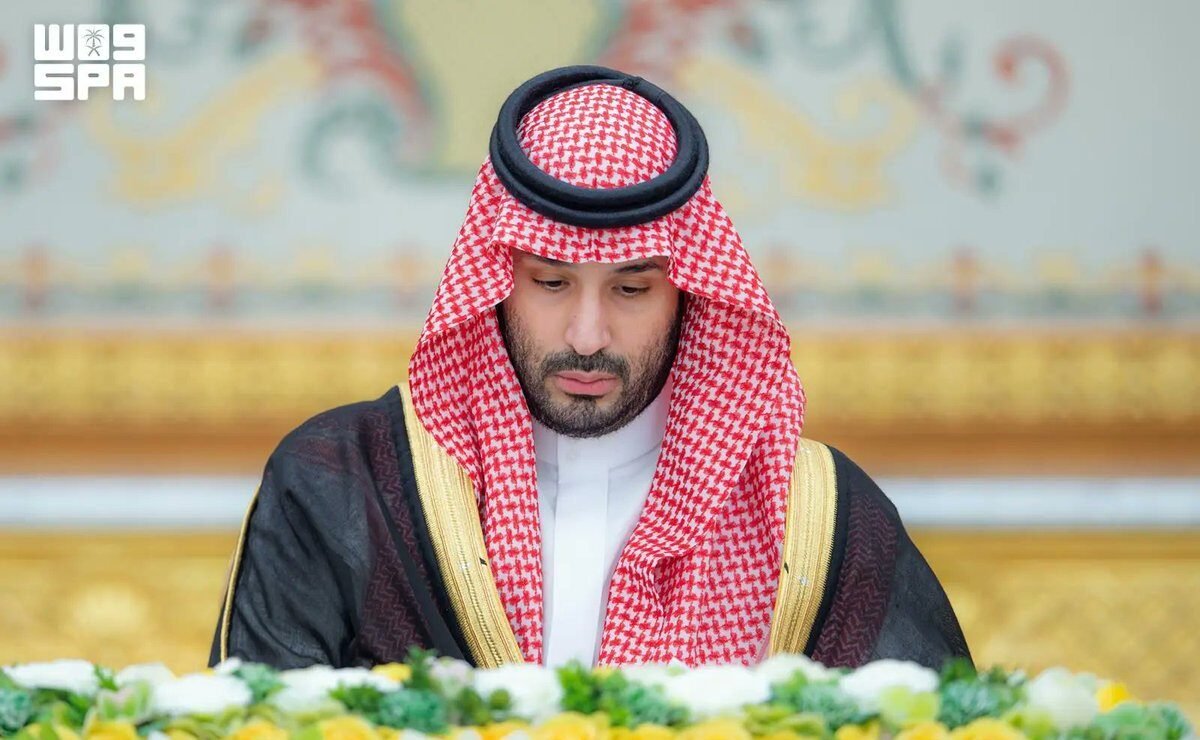
Saudi Arabia has reaffirmed its support for mediation efforts by Pakistan and Qatar to de-escalate regional tensions, while highlighting the pivotal role of the Makkah Joint Defence Agreement member states in maintaining regional security and stability.
The Saudi Cabinet, chaired by Crown Prince and Prime Minister Mohammed bin Salman bin Abdulaziz Al Saud in Riyadh on Tuesday, reviewed the outcome of high-level talks held between representatives of Pakistan, Saudi Arabia and Türkiye and senior Iranian officials in Tehran.
According to a statement carried by the Saudi Press Agency (SPA), the Cabinet reiterated the Kingdom’s commitment to strengthening regional and international security and stability, while expressing support for all diplomatic initiatives aimed at achieving peace.
The Cabinet particularly acknowledged the role of the Makkah Joint Defence Agreement member states in ensuring regional security and reaffirmed Saudi Arabia’s backing for mediation efforts undertaken by Pakistan and Qatar to reduce tensions.
The discussions followed Monday’s high-level diplomatic engagement in Tehran, where representatives of Pakistan, Saudi Arabia and Türkiye met Iranian President Masoud Pezeshkian and other senior Iranian officials.
The delegation included Saudi Defence Minister Prince Khalid bin Salman, Pakistan’s Chief of Defence Forces Field Marshal Syed Asim Munir and Turkish intelligence chief Ibrahim Kalın. Pakistan’s Interior Minister Mohsin Naqvi also accompanied Field Marshal Asim Munir during the visit.
The Tehran talks focused on regional de-escalation, security cooperation and strengthening dialogue among regional powers.
During the Cabinet session, Crown Prince Mohammed bin Salman also briefed ministers on diplomatic communications received from Egyptian President Abdel Fattah El-Sisi and Kazakhstan’s President Kassym-Jomart Tokayev.
He further reviewed his meeting with French President Emmanuel Macron and the outcomes of official talks with Greek Prime Minister Kyriakos Mitsotakis, highlighting Saudi Arabia’s expanding diplomatic engagement and bilateral cooperation.
The Cabinet also praised the Kingdom’s air defence capabilities for successfully intercepting repeated missile and drone attacks launched by the Houthi militia against Makkah, Madinah and other Saudi cities and facilities.
Saudi Minister of Media Salman Al-Dossary said the Cabinet condemned the attacks as a serious violation of Saudi sovereignty and the sanctity of Islamic holy sites, describing them as a provocation to Muslims worldwide.
The Cabinet reaffirmed Saudi Arabia’s legitimate right to defend the Two Holy Mosques, their visitors, citizens and residents against security threats.
The meeting also reviewed progress in localising military expenditure, noting that the Kingdom’s military spending localisation rate reached 27.3% by the end of 2025, exceeding the annual target of 24%.
Local content in military spending rose to 40.9%, supporting Saudi Arabia’s broader objective of localising more than 50% of military expenditure by 2030.
The Cabinet approved several international cooperation agreements, including a memorandum of understanding with Türkiye in the municipal and housing sectors and a customs cooperation agreement with India.
Other decisions included cooperation agreements with Syria on housing and municipal development, Jordan on nuclear safety and radiation protection, and Bangladesh on combating terrorism and its financing.
The Cabinet also authorised discussions on digital government cooperation with South Korea and approved a model agreement facilitating visa exemptions for holders of diplomatic and special passports.
The session underscored Saudi Arabia’s diplomatic engagement with regional and international partners, with particular emphasis on de-escalation, collective security and cooperation under the Makkah Joint Defence Agreement.