
CPEC 2.0 can open new avenues of Pakistan-China cooperation
Media fellow of the China International Press and Communication Centre Muhammad Zamir Assadi said that the success of BRI projects should not be measured only in economic terms, but also by their ability to create opportunities, connect communities and promote sustainable development.

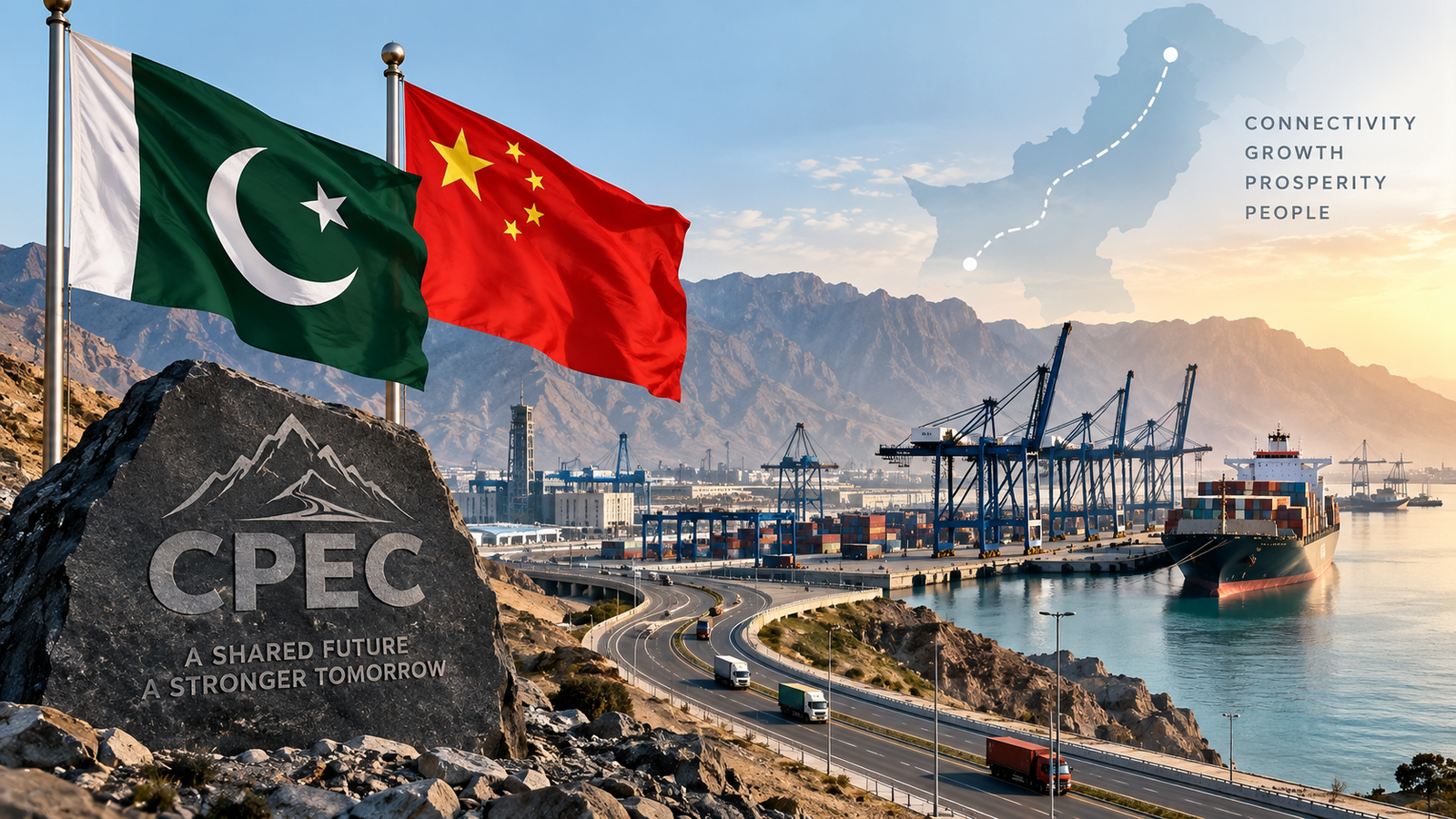
The next phase of the China-Pakistan Economic Corridor (CPEC) can create new avenues of cooperation between Pakistan and China in agriculture, technology, innovation, industry, digital connectivity, education and livelihoods, said Muhammad Zamir Assadi, media fellow of the China International Press and Communication Centre (CIPCC).
Speaking at the annual event of the Silk Road NGO Cooperation Network (SIRONET), Mr Assadi highlighted the role of the Belt and Road Initiative (BRI) and CPEC in promoting economic cooperation, connectivity and people-to-people exchanges.
He said CPEC had established a strong foundation for Pakistan-China cooperation in energy, infrastructure, transportation, industrial development and connectivity, while CPEC 2.0 had significant potential to expand cooperation into emerging and people-centred sectors, according to a press release issued here.
Mr Assadi said China’s economic transformation had created opportunities for countries around the world through its manufacturing capacity, infrastructure, technological expertise, innovation, investment and large consumer market.
As a Pakistani media fellow who had closely followed Pakistan-China relations and CPEC, he said China had made significant contributions to Pakistan’s economic and social development through CPEC-related projects.
He highlighted Gwadar Port, Gwadar International Airport, vocational training centres, education and healthcare initiatives, noting that around $25 billion had been invested in CPEC-related projects.
Mr Assadi stressed that the success of BRI projects should not be measured only in economic terms, but also by their ability to create opportunities, connect communities and promote sustainable development.
Highlighting SIRONET’s role, he proposed further strengthening the network as a bridge connecting Chinese and international civil society organisations, media professionals, scholars and think tanks.
He called for greater research cooperation, knowledge-sharing networks, scholar exchanges, joint research, fellowships and cultural programmes.
Mr Assadi also urged SIRONET to promote people-centred cooperation by highlighting successful community-level initiatives and creating more opportunities for civil society organisations to exchange ideas.
He expressed confidence that cooperation based on partnership, connectivity, mutual learning and shared opportunities would further strengthen Pakistan-China friendship and contribute to closer ties between China and the international community.
