
Germany Opens New Doors for Pakistani Textile Exporters
Germany's growing engagement with Pakistan's textile industry is particularly significant amid shifting global sourcing patterns and changing market dynamics in China.

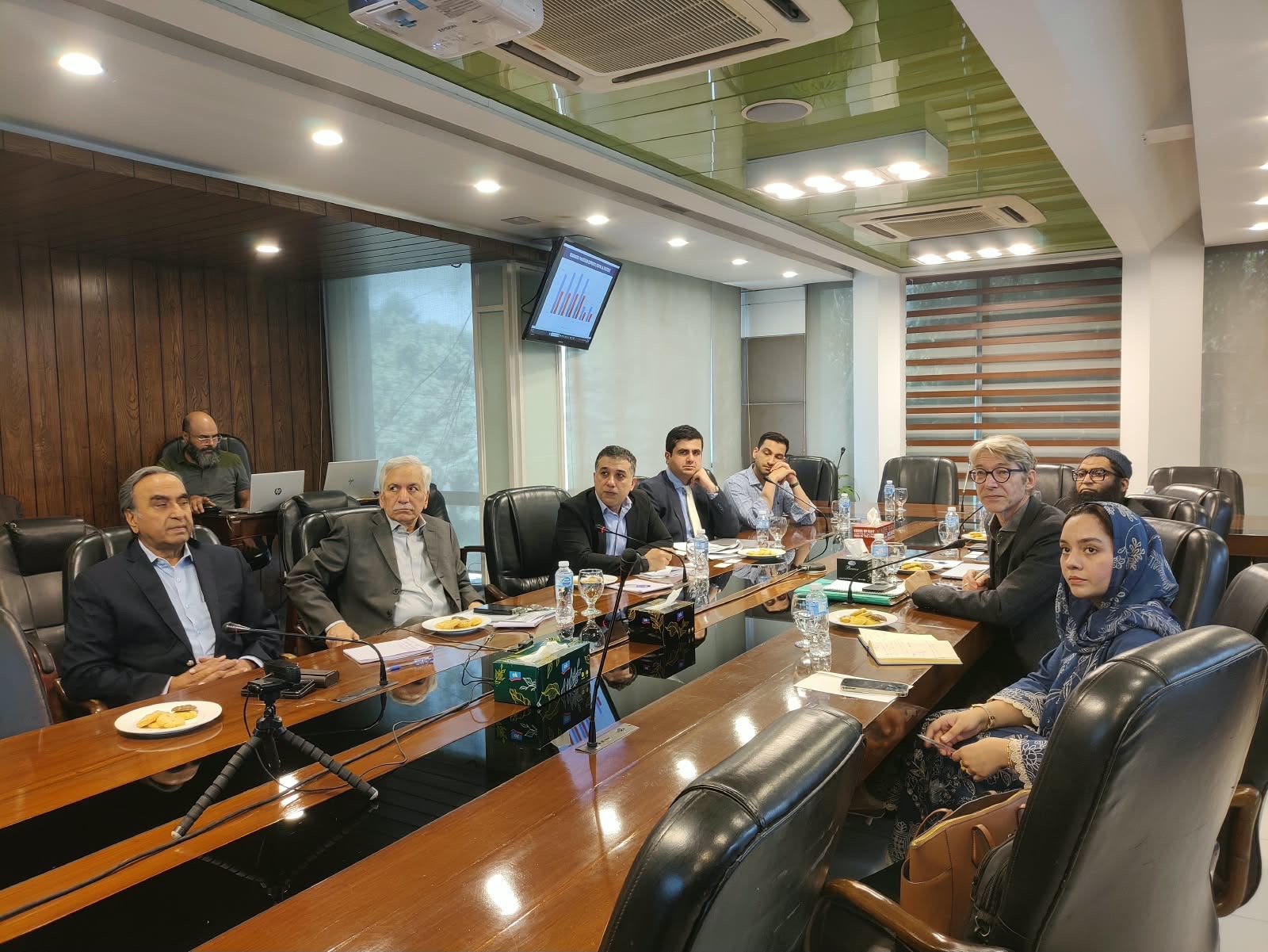
Pakistan is seeking to expand its textile exports to Germany and other European markets as a delegation from the German Importers Association visited the All Pakistan Textile Mills Association (APTMA) in Lahore to explore opportunities for stronger trade cooperation, sustainable production and international compliance.
The visit comes as global textile supply chains undergo significant changes, creating new opportunities for Pakistan to strengthen its position as a competitive sourcing destination for European buyers.
Germany’s growing engagement with Pakistan’s textile industry is particularly significant amid shifting global sourcing patterns and changing market dynamics in China.
The German government-backed VFI, representing more than 300 companies, could serve as an important link between Pakistani textile exporters and German importers, helping businesses establish long-term commercial partnerships.
Pakistan’s Generalised Scheme of Preferences Plus (GSP+) status remains a major advantage in accessing European markets. Since 2013, Pakistan’s exports to the European Union have increased by 73%, while exports to Germany have grown by 40%, according to figures highlighted in the trade engagement.
The preferential trade arrangement allows eligible Pakistani products to enter the European market at reduced or zero tariffs, subject to compliance with international conventions covering labour rights, human rights, environmental protection and good governance.
As the European Union moves towards a revised GSP framework, continued improvements in regulatory compliance and sustainability standards will remain important for maintaining Pakistan’s competitiveness.
APTMA’s engagement with international sustainability and certification frameworks, including SA8000 and OEKO-TEX, reflects efforts by Pakistan’s textile industry to meet evolving European market requirements.
The industry’s transition towards organic cotton, recycled polyester and cleaner production methods could further improve its appeal to environmentally conscious European buyers.
Greater cooperation between Pakistani manufacturers and German importers could also encourage technology transfers, investment in modern production facilities and improvements in sustainability reporting.
The next challenge will be translating these engagements into concrete commercial agreements, stronger buyer-supplier relationships and increased export orders.
With Germany among Europe’s major textile and apparel markets, closer cooperation could help Pakistan diversify its export destinations, attract foreign investment and secure a stronger position in international supply chains.
The delegation’s visit signals an opportunity for Pakistan’s textile industry to expand its European market presence by combining competitive manufacturing capabilities with internationally recognised sustainability and compliance standards.