
ICJ Rules Myanmar Committed Genocide Against Rohingya Muslims
The humanitarian consequences of the 2017 crackdown continue to affect Rohingya communities across South and Southeast Asia.

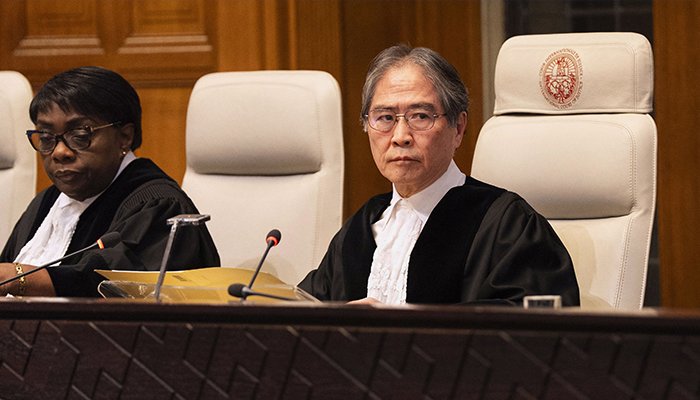
The International Court of Justice (ICJ) has ruled that Myanmar’s military carried out atrocities against Rohingya Muslims during its 2017 crackdown with genocidal intent, holding the country responsible for violations of its obligations under the Genocide Convention.
Delivering the judgment in The Hague, Netherlands, ICJ President Yuji Iwasawa said evidence established that Myanmar’s security forces killed approximately 10,000 Rohingya people during military operations that forced more than 730,000 members of the predominantly Muslim minority to flee to neighbouring Bangladesh.
During the three-hour reading of the judgment, the court detailed widespread atrocities committed by Myanmar’s security forces, including mass killings, sexual violence, severe abuse of children and attacks on Rohingya civilians attempting to escape across the border.
The court concluded that Myanmar’s forces had acted with genocidal intent in the incidents examined, finding that the scale and nature of the atrocities demonstrated an intention to destroy a substantial part of the Rohingya minority.
According to the judgment, the only reasonable conclusion from the extensive evidence of violence was that Myanmar’s security forces intended to destroy a significant portion of the Rohingya population.
The case was brought before the ICJ by the West African nation of The Gambia in 2019, accusing Myanmar of attempting to destroy the Rohingya community in violation of the 1948 Convention on the Prevention and Punishment of the Crime of Genocide.
The Gambia urged the court to declare Myanmar responsible for breaching the convention, order an end to unlawful actions targeting Rohingya Muslims and ensure accountability for those responsible.
Myanmar, however, defended its 2017 military operations, arguing that the crackdown was launched in response to attacks on police posts by the Arakan Rohingya Salvation Army (ARSA).
The ICJ rejected the argument that the military operations could be justified by security concerns, concluding that the evidence demonstrated genocidal intent behind specific acts committed against the Rohingya population.
The court also found that Myanmar had failed to fulfil its obligation to prevent genocide, noting that authorities should have recognised the risk when armed civilians participated in military operations against the minority community.
The ruling marks a major development in the Rohingya genocide case, which has remained before the UN’s highest court since 2019.
The ICJ determines the responsibility of states under international law rather than prosecuting individual military commanders, making its judgment significant for Myanmar’s international legal obligations and potential accountability measures.
The humanitarian consequences of the 2017 crackdown continue to affect Rohingya communities across South and Southeast Asia.
According to United Nations figures, more than 1.3 million Rohingya remain displaced across the region, including approximately 1.2 million living in refugee camps in Cox’s Bazar, Bangladesh.
The judgment represents a significant legal development for the Rohingya community, which has spent years seeking international recognition of the atrocities committed against it and accountability for the violence that forced hundreds of thousands from their homes.