
Türkiye Plans Oil Drilling in Pakistan in 2027 After 3D Seismic Survey
The findings will help energy companies identify potential drilling locations and assess whether Pakistan's offshore waters contain commercially viable hydrocarbon resources.

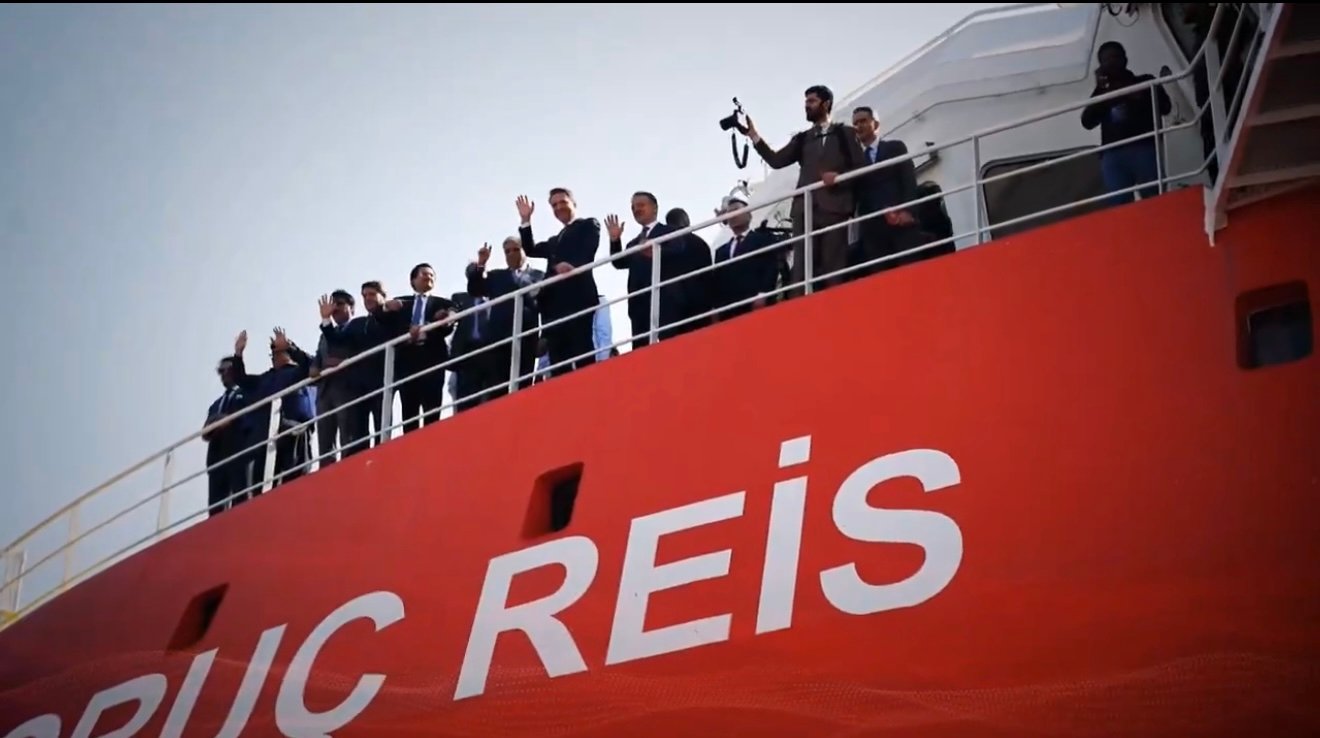
Türkiye is preparing to begin oil and gas drilling operations in Pakistan in 2027 following a two-month offshore seismic survey by its Oruç Reis research vessel, marking a significant step in expanding energy cooperation between Islamabad and Ankara.
Turkish Minister of Energy and Natural Resources Alparslan Bayraktar announced the plans, describing the development as the beginning of a new era of energy cooperation between the two countries.
The Oruç Reis Seismic Research Vessel is expected to conduct a three-dimensional (3D) seismic survey to identify geological formations beneath the seabed that may contain oil and natural gas deposits.
The findings will help energy companies identify potential drilling locations and assess whether Pakistan’s offshore waters contain commercially viable hydrocarbon resources.
How will the 3D seismic survey work?
During the survey, a specialised vessel travels along predetermined routes while towing equipment that generates controlled acoustic pulses into the water.
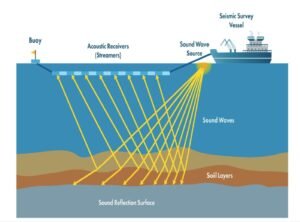
These sound waves travel beneath the seabed and reflect from different geological layers. Sensitive underwater receivers record the returning signals, allowing geologists to construct a three-dimensional model of underground rock formations.
The process helps identify potential hydrocarbon traps, geological faults, sedimentary layers and structures where oil or natural gas may have accumulated over millions of years.
Unlike older two-dimensional surveys, which provide individual cross-sectional images, 3D technology allows scientists to examine underground formations from multiple directions, improving the accuracy of exploration planning.
However, seismic surveys cannot confirm the presence of commercially recoverable oil or gas. Only exploratory drilling, testing and reservoir evaluation can establish whether a discovery is economically viable.
Why could this benefit Pakistan?
More precise drilling locations
Detailed subsurface imaging can help identify promising targets and reduce the risk of drilling expensive wells in unsuitable locations.
Potential investment opportunities
High-quality geological data can help attract exploration companies and investors interested in Pakistan’s offshore energy sector.
Long-term energy security
Commercially successful discoveries could eventually increase domestic production and reduce dependence on imported oil and liquefied natural gas.
Technical cooperation with Türkiye
The programme could strengthen collaboration in marine exploration, geological interpretation and offshore drilling expertise.
Türkiye’s exploration experience and success rate
Türkiye has expanded its offshore energy exploration capabilities in recent years, particularly in the Black Sea.
Its most significant achievement was the discovery of the Sakarya natural gas field in 2020, initially announced with an estimated 320 billion cubic metres of gas. Subsequent discoveries and reassessments increased the estimated resource base.
The discovery demonstrated Türkiye’s growing ability to identify and develop offshore gas resources using seismic surveys, exploration drilling and modern offshore technology.
However, an important distinction is that Oruç Reis is a seismic research vessel, not a drilling ship. Its role is to gather and interpret geological data that can guide future drilling.
Türkiye’s wider exploration programme uses other vessels for drilling and field development.
There is no reliable publicly established commercial discovery success rate specifically for Oruç Reis that can be applied to Pakistan. A vessel’s survey history does not provide a meaningful percentage probability of finding oil in another country’s waters.
What are Pakistan’s chances of discovering oil or gas?
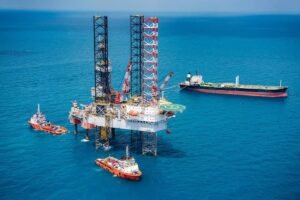
Pakistan’s offshore exploration potential is linked to its Arabian Sea sedimentary basins, including the Indus offshore region and the Makran margin.
These areas contain geological formations of interest to energy companies, but their hydrocarbon potential remains insufficiently tested compared with mature oil-producing offshore basins.
Pakistan has previously undertaken offshore exploration without achieving a major commercial deepwater discovery.
One prominent example was the Kekra-1 exploration well drilled off Karachi in 2019 by a consortium involving ExxonMobil, Eni, Oil and Gas Development Company Limited and Pakistan Petroleum Limited.
Despite considerable expectations, the well did not encounter commercially viable hydrocarbon reserves.
That result highlighted the financial and geological risks associated with offshore exploration, where individual wells can cost tens or hundreds of millions of dollars.
The planned Turkish seismic programme could improve understanding of Pakistan’s offshore geology, but it would be premature to assign a specific probability of success before the survey results are available.
Even if commercially viable reserves are discovered, developing an offshore field would require further appraisal wells, substantial investment, infrastructure and several years of work before production could begin.
The planned operations in 2027 could therefore represent an important step towards unlocking Pakistan’s offshore energy potential.
